
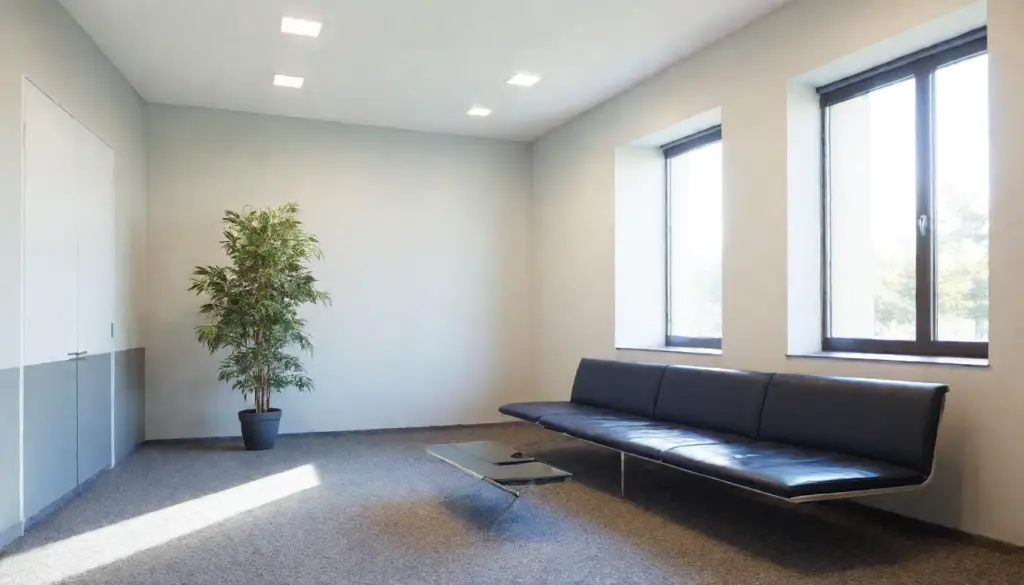
You’re walking through the clinic after hours, absent-mindedly tapping along a wall near a treatment room or reception area, when one section suddenly sounds different. Instead of a solid knock, you hear a hollow, almost papery echo coming from a single spot.
At first, it may not seem serious. Many people assume it is poor plastering, minor water damage, or simply the way the wall was built. But when a wall sounds hollow in only one isolated area, especially near skirting boards, cabinetry, or timber framing, it can indicate hidden structural issues that should not be ignored.
For clinics, this matters more than most business owners realise. Medical and dental spaces depend on clean, stable, well-maintained interiors. Hidden wall damage can quickly become a much larger and more expensive problem if left unchecked.
What Causes a Hollow Sound in One Area?
Walls do not usually sound hollow in isolated patches without a reason. In commercial clinics, several issues can create this effect. One common cause is moisture damage. Leaking pipes, slow condensation behind cabinetry, or poorly sealed wet areas can weaken plasterboard and timber framing over time. As materials soften or separate internally, the wall may begin to sound empty when tapped.
Another possibility is poor repairs or patchwork from previous renovations. Some clinics undergo repeated fit-outs over the years, particularly when rooms are repurposed. If sections were patched incorrectly or cavities were left behind, tapping may reveal inconsistent sound differences.
However, one of the more concerning causes is concealed termite activity. Termites consume timber from the inside out, often leaving only a thin outer layer intact. This can create hollow or drum-like sounds in specific wall sections while the surface still appears completely normal.
Why Termite Damage Often Goes Unnoticed
Many property owners expect visible damage if termites are present. In reality, termites are known for remaining hidden for long periods. They commonly tunnel through timber framing behind plasterboard, skirting boards, built-in cabinetry, or timber vanities without obvious external signs. Because they avoid light and open air, the damage frequently develops inside the wall cavity first.
This is why a hollow sound in just one section can become an important warning sign. You may also notice subtle secondary symptoms nearby, such as bubbling paint, tiny cracks, sticking doors, warped skirting, or faint timber dust around the base of the wall. These signs are often dismissed as age-related wear or moisture problems when termites are actually involved.
Why Clinics Should Take It Seriously
For healthcare environments, structural problems are not just cosmetic. Clinics contain sensitive equipment, cabinetry, plumbing systems, and high patient traffic. Hidden wall damage can eventually compromise shelving, mounted equipment, internal joinery, or built-in storage units.
For Sydney dentists, this can become particularly problematic in treatment rooms where cabinetry, imaging equipment, or plumbing lines rely on stable wall structures. Even small areas of concealed deterioration can worsen quickly if moisture or termite activity continues undetected. In some cases, what begins as a minor hollow section may eventually lead to crumbling skirting boards, damaged cabinetry, or weakened framing requiring more extensive repairs.How to Tell if It Might Be Termites
A hollow sound alone does not automatically confirm termites. But certain patterns increase the likelihood. If the hollow area feels soft when lightly pressed, produces a papery sound, or is located near timber trims or damp areas, it deserves closer investigation. Termite damage also tends to remain localised initially before spreading further through connected timber structures.
You may also notice small pinholes in plaster or timber, fine dust or pellet-like droppings near skirting boards, bubbling paint with no visible water leak, doors or cupboards becoming difficult to close, or mud-like lines near walls or flooring. Importantly, termites often remain active long before visible surface collapse occurs.
Why DIY Assumptions Can Be Risky
One of the biggest mistakes property owners make is assuming the issue is minor without confirming the cause properly. Painting over bubbling surfaces, patching plaster, or replacing skirting boards may temporarily hide the symptom while the underlying problem continues spreading internally.
Similarly, tapping around walls yourself can only reveal limited information. Hollow sounds may indicate anything from moisture deterioration to concealed structural voids or pest activity. This is why a professional termite inspection becomes important when the source is unclear, particularly in buildings containing timber framing or moisture-prone areas. Early assessment helps determine whether the issue is active termite damage, previous damage, or another structural concern entirely.
What Happens During an Inspection?
A professional inspection usually involves checking moisture levels, sounding timber surfaces, inspecting roof and subfloor areas, and identifying hidden entry points or activity signs. Inspectors may use moisture meters, thermal imaging, or specialised tools to detect concealed damage within wall cavities.
The goal is not simply to confirm termites but to identify the extent of any structural impact before repairs begin. This distinction matters because repairing cosmetic damage without resolving active termite activity can lead to recurring issues.
What You Should Do Next
If you notice a hollow wall section inside your clinic, avoid ignoring it simply because the area still looks visually intact. Monitor whether the sound changes over time or whether nearby surfaces begin showing cracking, bubbling, or movement. Avoid drilling, sanding, or disturbing the area aggressively until the cause is identified.
If there are any additional warning signs involving timber, moisture, or recurring wall damage, arranging a professional inspection is the safest next step. Early investigation is usually far less disruptive and expensive than dealing with widespread concealed structural repairs later.
FAQs
1. Why does only one part of my clinic wall sound hollow?
Localised hollow sounds are often caused by hidden moisture damage, poor repairs, structural voids, or concealed termite activity inside the wall.
2. Can termites cause hollow walls?
Yes. Termites consume timber internally, leaving thin outer surfaces intact while creating hollow spaces inside framing and skirting boards.
3. Is a hollow wall always a sign of termites?
No. Water damage, ageing plasterboard, or previous renovation work can also create hollow sounds. A proper inspection is needed to confirm the cause.
4. What other signs usually appear with termite damage?
Common signs include bubbling paint, timber dust, soft skirting boards, mud tubes, pinholes, and sticking doors or cupboards.
5. Should clinics be concerned about small wall damage?
Yes. In healthcare settings, concealed wall damage can eventually affect cabinetry, plumbing, mounted equipment, and structural stability.
6. When should I arrange a termite inspection?
You should consider an inspection if hollow sounds are combined with timber damage, moisture issues, recurring wall deterioration, or unexplained structural changes.
