
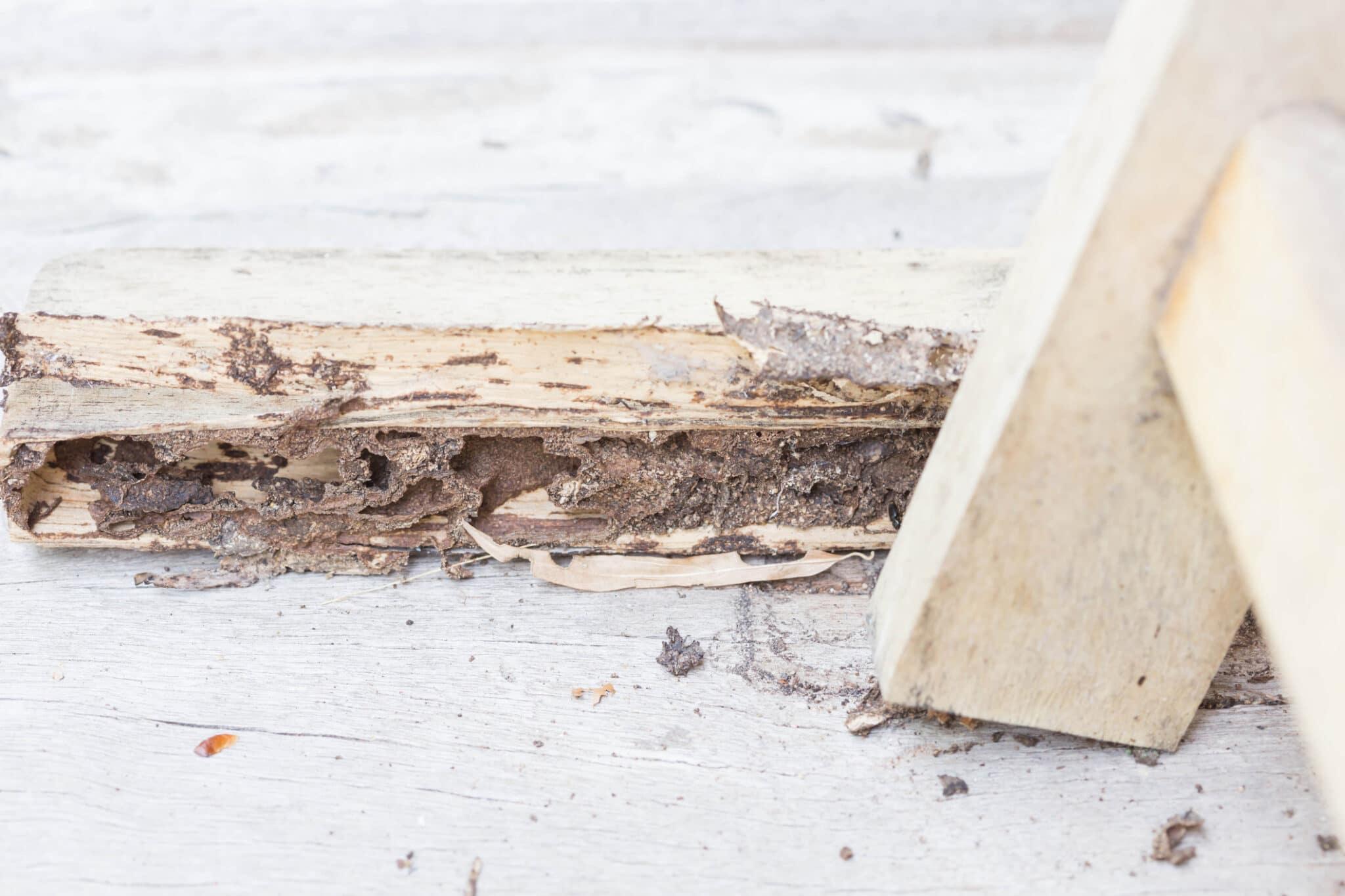
It often starts with something minor. A leaking outdoor tap that never quite gets fixed. Damp soil near the foundation after heavy rain. A bathroom vanity that feels slightly swollen underneath. Most homeowners see these as maintenance issues, not serious structural risks.
What many people do not realise is that small moisture problems can create the perfect conditions for termites to move closer to a home. Over time, what looks harmless can quietly become an ideal entry point for a colony searching for food and shelter.
In Australia, where termite activity is common in many regions, moisture is one of the strongest factors linked to infestation risk. Termites rely heavily on damp environments to survive, which is why even small areas of persistent moisture can become a major concern.
Why Moisture Attracts Termites
Termites are highly sensitive to humidity and water sources. Their bodies dry out easily, so they naturally seek environments that remain damp and protected. Leaking plumbing, poor drainage, clogged gutters, and humid subfloors all create favourable conditions for termite activity.
Moisture also softens timber, making it easier for termites to tunnel and feed. Damp wood becomes more vulnerable over time, especially when combined with poor ventilation or hidden water leaks.
Subterranean termites, which are responsible for most structural termite damage in Australia, depend on moisture-rich environments to build mud tunnels and travel safely between the soil and timber structures. This is why areas around bathrooms, kitchens, laundries, and external walls are commonly affected first.
Common Moisture Problems That Create Risk
Many termite issues begin with maintenance problems that homeowners overlook for months or years. Leaking pipes are one of the biggest risks, especially when they are hidden inside walls, beneath sinks, or under flooring. Slow leaks continuously feed moisture into the surrounding timber and insulation without obvious visible damage.
Blocked gutters and poor drainage are another common issue. When rainwater pools around the foundation, the soil remains damp for extended periods, creating an ideal environment for subterranean termites to move closer to the structure. Air conditioning drip lines can also create persistent dampness near walls and foundations. Many homeowners do not notice these wet patches because the moisture accumulates gradually.
Bathrooms are particularly vulnerable. Steam, condensation, and leaking seals around showers or vanities often create hidden moisture behind walls or cabinetry. Over time, timber framing absorbs moisture and becomes increasingly attractive to termites.
Even landscaping can contribute to the problem. Mulch piled against external walls traps moisture and creates concealed access points near timber structures.
How Termites Quietly Enter a Home
One reason termites are so destructive is that they rarely enter openly. They exploit tiny gaps and concealed areas. A crack in concrete, a gap around plumbing, or damp timber touching soil may be enough for termites to gain access. Utility pipes and drainage penetrations are especially common entry points because they often have moisture nearby.
Once termites establish access, they usually remain hidden inside walls, flooring, roof voids, or timber framing. Homeowners may not notice any visible signs until the damage becomes significant. By then, the colony may have been active for months or even years.
The Hidden Cost of Delayed Repairs
One of the biggest mistakes homeowners make is delaying moisture repairs because the problem seems small. A dripping pipe may appear insignificant today, but constant moisture exposure slowly changes the environment around it. Timber weakens, humidity increases, and termites become more likely to investigate the area.
The longer moisture remains untreated, the greater the risk of hidden structural damage. In many cases, homeowners only discover the issue after noticing hollow timber, bubbling paint, warped flooring, or doors that suddenly stop closing properly. These are often signs that termites have already been feeding internally for some time.
Unfortunately, termite damage is not usually covered by standard home insurance policies in Australia, making prevention especially important.
Preventing Moisture From Becoming a Termite Problem
Reducing moisture around the home is one of the most effective ways to lower termite risk.
Leaking taps, pipes, and drainage systems should be repaired promptly. Gutters and downpipes need regular cleaning to ensure water flows away from the property properly.
Subfloors and roof spaces should have adequate ventilation to reduce humidity build-up. Timber structures should also remain separated from direct soil contact wherever possible.
Landscaping matters too. Mulch, garden beds, and stored timber should not sit directly against external walls because they trap moisture and provide concealed access routes.
Regular inspections are equally important. Early termite activity is often invisible to homeowners, which is why professional checks remain a critical part of long-term termite control.
Why Early Detection Matters
Termites work quietly. Unlike other pests, they often remain hidden until major damage has already occurred. Early detection gives homeowners the best chance of limiting structural damage and treatment costs. Small warning signs such as damp timber, unexplained moisture, bubbling paint, or mud tubes should never be ignored.
Many termite infestations are not caused by one major failure. They develop gradually from small environmental conditions that remain unresolved over time. Moisture is often the starting point.
FAQs
1. Does moisture always attract termites?
Moisture alone does not guarantee termites, but damp conditions significantly increase the likelihood of termite activity around a home.
2. What areas of a home are most at risk?
Bathrooms, laundries, kitchens, subfloors, leaking roofs, and areas with poor drainage are common high-risk zones.
3. Can a small leak really cause termite problems?
Yes. Even slow leaks can create long-term damp conditions that attract termites over time.
4. How do termites enter homes?
They often enter through cracks in foundations, gaps around pipes, damp timber, or concealed areas near moisture sources.
5. Are damp bathrooms attractive to termites?
Yes. Bathrooms frequently contain hidden moisture and timber framing, making them a common risk area.
6. How can homeowners reduce termite risk?
Fix leaks quickly, improve drainage, reduce humidity, avoid timber-to-soil contact, and arrange regular termite inspections.
