
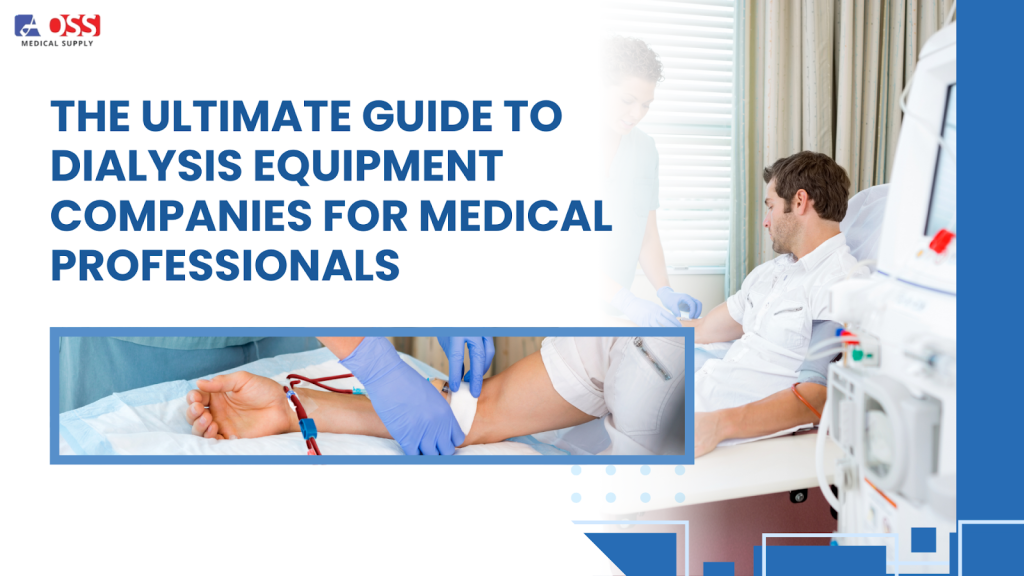
For millions of patients across the globe, dialysis is a life-saving treatment. Behind every successful dialysis treatment is a team of specialized set-up that have been engineered for safety, performance and patient comfort. For doctors, knowing those dialysis equipment companies is an important part of making informed decisions that ensure good treatment.
This guide breaks down everything you need to know—from equipment types to industry trends—so you can navigate the dialysis landscape with confidence.
Understanding Dialysis Equipment Companies
Dialysis equipment companies make and distribute the medical equipment used to help kidney function when the kidneys can no longer be effective. So their function is not only in the machines, but should be also related to safety of treatment as well as its effectiveness and long-term patient outcomes.
These firms work closely with providers, regulators and researchers to respond to new clinical standards.
Core Products Offered by Dialysis Equipment Companies
Hemodialysis Equipment
Hemodialysis requires precision and reliability. Common equipment includes:
- Dialysis machines
- Dialyzers (artificial kidneys)
- Blood tubing systems
- Water treatment and purification systems
- Every part has to fit and function perfectly in order for the patient to be safe.
Each component must work seamlessly to ensure patient safety.
Peritoneal Dialysis Equipment
With peritoneal dialysis, patients have more lifestyle freedom. Equipment typically includes:
- PD cyclers
- Dialysis solutions
- Catheters and transfer sets
Ease of use and preventing infection because they are key here.
Supporting Accessories
Maintenance suppliers for dialysis machines also provide important accessories, including:
- Vascular access products
- Sterilization supplies
- Monitoring and safety devices
These objects ensure the quality of treatment remains steady.
Key Factors Medical Professionals Should Consider
Quality and Compliance
Reputable dialysis machine manufacturers adhere to quality standards and regulatory compliance of worldwide bodies. Safety, accuracy, and consistency in clinical practice are guaranteed by compliance.
Innovation and Technology
Innovation with technology such as remote digital monitoring, automation and integrating shared data are reforming the face of dialysis care. Innovative companies are allowing clinics to streamline operations and enhance patient care.
Training and Technical Support
Comprehensive documentation, effective training, and professional healthcare technical support are essential to ensure minimal downtime and smooth operations.
Supply Consistency
Efficient supply chains guarantee the continuity of patient care especially in high-patient-turnaround clinics.
Trends Shaping the Dialysis Equipment Industry
Patient-Centered Design
Equipment is being designed to be more comfortable, quieter and easier for clinicians to use.
Home Dialysis Growth
Increasing demand for home care is informing the design, portability and ease of use.
Sustainability Initiatives
Many providers of dialysis equipment are concentrating on minimizing water consumption, energy use and medical waste.
Data-Driven Care
It’s better connected to digital health systems, and can better keep track of patient with related data and progress about the treatment.
How Medical Professionals Can Stay Informed
Staying Current with Dialysis Advancements:
- Reviewing clinical journals
- Attending medical conferences
- Participating in professional training programs
- Engaging with peer networks
Being informed supports better decision-making and patient care.
Conclusion
Dialysis equipment suppliers are incredibly important in the realm of health care. Their products play a key role in the effectiveness of treatment, patient comfort and clinical efficiency. A knowledge of different types of equipment, industry trends and selection criteria is necessary in helping medical personnel make appropriate decisions to support quality care.
Stay curious and stay informed. Practice and Discuss Always keep up with the industry news, socialize with your colleagues and learn about the newest in dialysis technology for better patient outcomes and clinical excellence.
Frequently Asked Questions (FAQs)
1. What do dialysis equipment companies specialize in?
They manufacture and provide machines, disposable products and accessories for dialysis treatment.
2. Are all dialysis machines the same?
No. Machines vary by technology, treatment type, usability, and monitoring capabilities.
3. Why is regulatory compliance important in dialysis equipment?
Compliance ensures patient safety, treatment accuracy, and adherence to healthcare standards.
4. How often is dialysis equipment updated?
Updates are driven by technical progress, clinical needs and regulatory issues.
5. What trends are influencing dialysis equipment development?
The growth of home dialysis, digital monitoring, sustainability and patient-centered design represent significant trends.
