
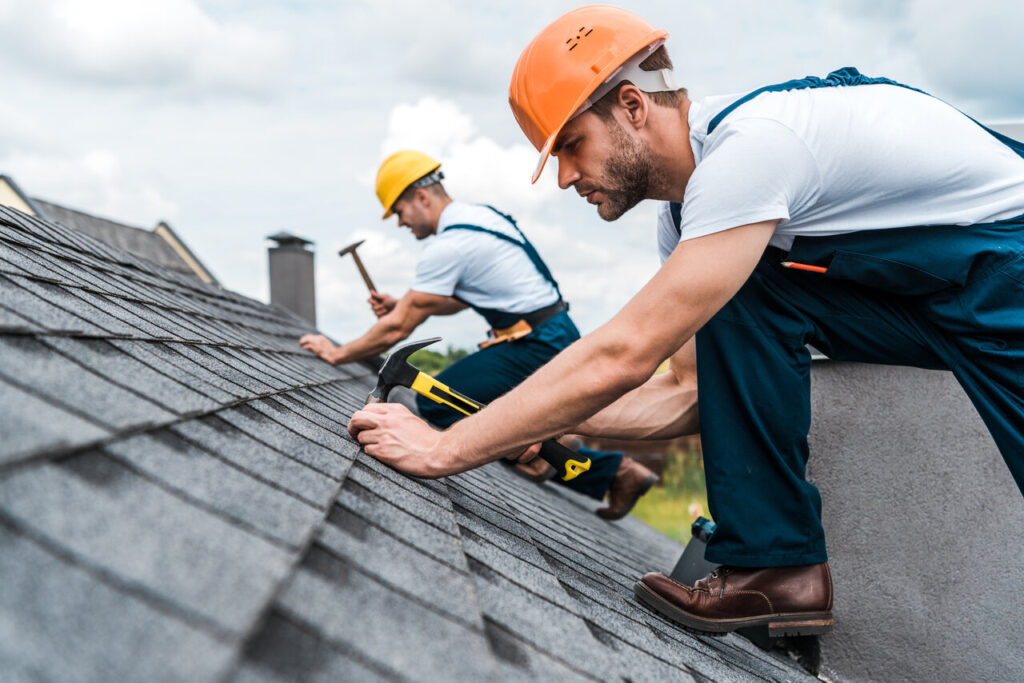
Careful Planning Makes All the Difference
Replacing a roof is one of the most significant investments a homeowner can make. A new roof protects the structure from weather, improves energy efficiency and supports long-term property value. Because a full roof replacement is not something most people do often, it is easy to overlook important details during the planning stage. Decisions made before work even begins can determine whether the project delivers lasting value or leads to expensive problems later.
Many issues that emerge after a new roof installation are not caused by the roofing materials themselves but by poor planning, inadequate inspections or unsuitable contractor selection. Preparing properly helps homeowners avoid unnecessary costs, delays and future roof repairs.
Common Mistakes Homeowners Make
One of the biggest mistakes is choosing the cheapest quote without understanding exactly what is included. Some quotations exclude important components such as flashing replacement, structural repairs, insulation upgrades or site clean-up. A low roof replacement cost on paper can become far more expensive if additional work is required after the project has started.
Another common mistake is delaying a necessary roof replacement. Small leaks, rust, cracked tiles or deteriorating roofing materials rarely improve on their own. Waiting too long may allow water to penetrate the roof structure, resulting in timber damage, mould growth and higher repair costs. Addressing roofing problems early often reduces the likelihood of extensive structural work later.
Selecting unsuitable roofing materials is another planning error. Every property has different requirements depending on its location, roof pitch, structural design and weather exposure. Whether comparing metal roofing, tiles or other options, materials that perform well on one home may not suit another. Choosing products based solely on appearance or price can shorten the roof’s service life and increase maintenance requirements.
Hiring inexperienced contractors for a Roof Replacement in Sydney can also create long-term problems. Roofing requires specialised knowledge, careful installation techniques and compliance with Australian building requirements. Poor workmanship may not be obvious immediately, but leaks, drainage issues and premature deterioration can appear months or years after installation.
Why These Mistakes Matter
Poor planning affects much more than the initial project cost. An incorrectly planned roof replacement may require additional repairs, unexpected material replacements or repeated contractor visits to correct installation issues.
Structural problems hidden beneath the existing roof can remain unnoticed if a proper roof inspection is skipped. Damaged framing, deteriorated battens, worn sarking or failing flashing should all be identified before new roofing materials are installed. Covering existing defects without addressing them allows problems to keep developing beneath the new roof.
Delays can also affect schedules and budgets. If unforeseen structural issues are discovered mid-project, work may stop while additional repairs are organised, increasing labour costs and extending completion times. Most importantly, planning mistakes can reduce the overall lifespan of the roof, as even high-quality materials cannot perform as intended when installed over compromised structures.
Planning the Right Way
A successful residential roof replacement begins with a comprehensive roof inspection. Before selecting materials or requesting quotations, homeowners should understand the condition of the existing roof structure, including hidden leaks, damaged timber, ventilation concerns and flashing issues.
Material selection should be based on performance rather than appearance alone. Durability, local weather conditions, maintenance requirements and compatibility with the existing structure should all be considered.
Creating a realistic budget is equally important. Roofing projects can reveal hidden issues once the existing roof covering is removed, so allowing for contingency funds helps homeowners manage unexpected repairs without compromising quality. Obtaining advice from licensed roofing contractors before signing a contract also reduces uncertainty around material options, timelines, warranty coverage and compliance requirements.
Why Working With Experienced Specialists Matters
A successful roof replacement depends on more than removing old materials and fitting new ones. Experienced roofing specialists begin with a detailed assessment of the entire roofing system, including structure, drainage, ventilation, insulation and flashing.
Professional roofing contractors typically provide transparent quotations that clearly explain the work being performed, the materials being used and any additional repairs required. This helps homeowners compare quotations accurately rather than deciding on price alone. Experienced specialists also understand local building requirements and installation standards, reducing the likelihood of compliance issues or costly remedial work in the future.
Make Informed Decisions for a Long-Lasting Roof
Planning a new roof requires careful consideration rather than rushed decisions. Choosing appropriate materials, arranging a thorough roof inspection, setting a realistic budget and working with experienced professionals all contribute to a roof that performs reliably for many years. Careful planning today helps minimise future repairs, protects the home from weather damage and supports the long-term durability of the roofing system.
FAQs
How do I know if my roof needs replacing instead of repairing? Widespread leaks, significant rust, cracked or broken materials, sagging sections or repeated repairs may indicate replacement is more practical than ongoing fixes.
Why should I not automatically choose the cheapest roofing quote? Lower-priced quotes may exclude essential work, use lower-quality materials or omit structural repairs, resulting in higher overall costs later.
Is a roof inspection necessary before a roof replacement? Yes. A professional inspection identifies hidden structural damage, flashing issues, timber deterioration and ventilation problems before installation begins.
Can changing roofing materials require additional approvals? In some cases, changing the roofing material, weight or structure may require building approval, depending on local regulations and the scope of work.
How can I choose the right roofing material? Consider durability, local climate, roof design, maintenance requirements and compatibility with the property’s structure rather than appearance alone.
Why is professional advice important before replacing a roof? Professional guidance helps homeowners understand the roof’s condition, compare suitable materials, estimate realistic costs and avoid planning mistakes that shorten the roof’s lifespan.
