
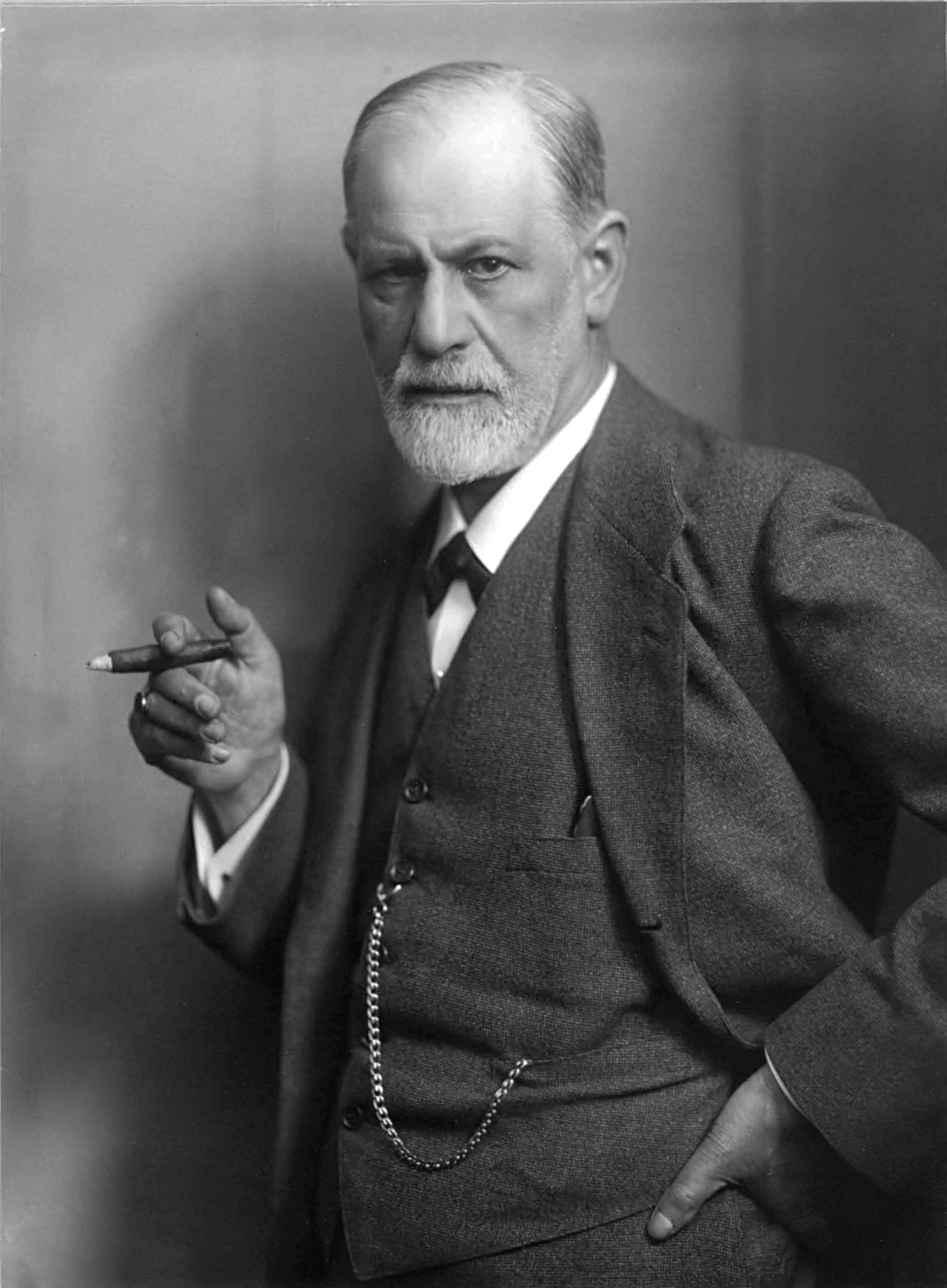
Sigmund Freud proposed in 1923 that the human mind is a battleground between three forces that rarely agree with each other. In his book The Ego and the Id, he named them the id, the ego and the superego, and argued that much of our behaviour comes from their constant struggle. The id is the primitive part of the mind, present from birth, demanding immediate satisfaction of hunger, thirst and desire. The ego is the rational part, working out how to satisfy those urges in the real world without causing harm. The superego is the conscience, formed from the rules of parents and society, punishing us with guilt when we fall short. Freud believed that anxiety arises when the ego cannot keep the id and the superego in balance.
What the Evidence Shows
Freud argued that the three forces operate largely outside awareness, in the unconscious mind, and that childhood experiences shape how the balance is set. He described defence mechanisms, such as repression, denial and projection, that the ego uses to keep disturbing thoughts out of consciousness. The model shaped a century of therapy, literature and popular ideas about the mind, and phrases such as Freudian slip entered everyday language. Critics object that the theory cannot be tested in the way science demands, since the id, ego and superego cannot be measured directly. The philosopher Karl Popper called psychoanalysis unfalsifiable, a charge that still follows it today. Even so, the picture of the mind as a place of inner conflict remains one of the most influential ideas psychology has produced. Reporting and analysis from sources such as American Psychological Association track the same developments, and specialists following Freud’s model of the id, ego and superego say the direction is now consistent across independent lines of evidence.
The Wider Context
The wider context is a discipline rebuilding confidence through replication and pre-registration, and findings on Freud’s model of the id, ego and superego are being reported with their effect sizes and limits attached. That honesty can make results sound smaller than the headlines of a decade ago, but the effects that survive are the ones practitioners can responsibly build on.
What Happens Next
What happens next in research on Freud’s model of the id, ego and superego is a turn toward real-world trials: longer, larger and conducted in the schools, workplaces and clinics where the findings are meant to apply. Psychologists are also studying individual differences more seriously, because average effects conceal the people for whom an approach works powerfully and those it leaves cold. Both shifts make the science slower and more useful. You can follow related developments in our coverage of psychology.
There is a practical lesson in all of this for readers deciding what to do today. Start with the verified facts, be wary of anyone promising certainty, and prefer reversible steps while the evidence is still developing. Circumstances differ by country, income and personal situation, so general guidance should always be weighed against your own context before you act on it in any significant or lasting way.
