
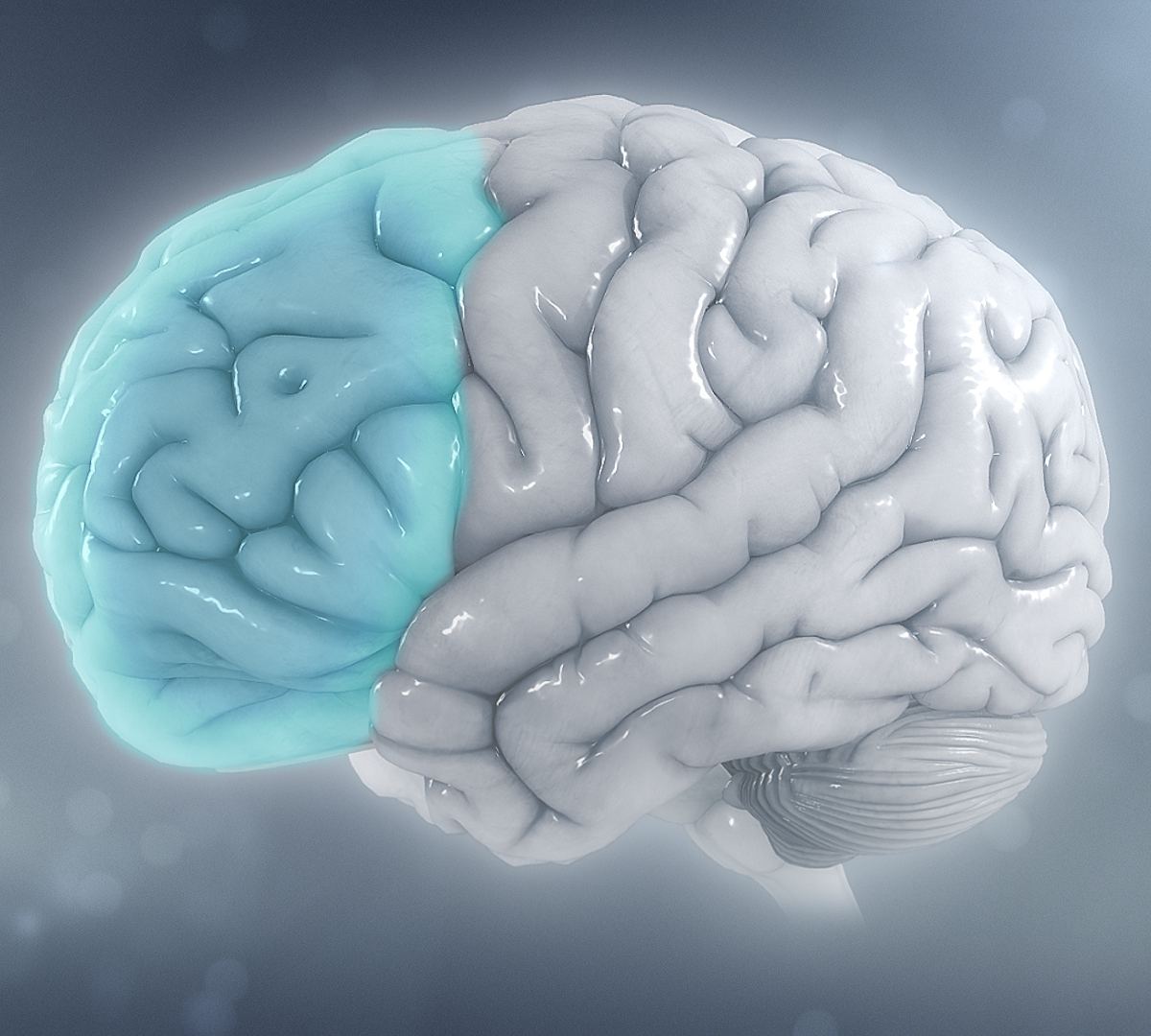
Brain scans cannot reliably predict how well a person regulates their emotions, according to a large study published in Nature on 24 November 2026. Researchers at Radboud University Medical Center and the Donders Institute in Nijmegen, working with the international NIDER consortium, pooled 40 task-based functional MRI datasets from 32 research institutions across Europe, North America, Australia and Asia, covering 2,175 healthy adults. The team tested cognitive reappraisal, the emotion-regulation strategy widely taught in cognitive behavioural therapy that involves reinterpreting a distressing event to reduce its emotional impact. Localised brain activation, including in prefrontal structures, failed to distinguish people who dampen negative feelings well from those who struggle.
What the Evidence Shows
The study compared three ways of measuring emotion regulation: questionnaires, ratings of feelings, and amygdala responses in the brain, and found a profound lack of convergence between them. Between-subject effect sizes in human neuroimaging are inherently modest, often falling between correlation coefficients of 0.05 and 0.15, the researchers said. The findings challenge how university laboratories, clinical investigators and funding panels interpret fMRI biomarkers, suggesting that a single brain scan cannot yet tell a clinician who will cope well with distress. Lead author Maurizio Sicorello of the Central Institute of Mental Health in Mannheim worked with senior author Carmen Morawetz of the University of Innsbruck. Reporting and analysis from sources such as American Psychological Association track the same developments, and specialists following brain scans failing to predict emotion regulation say the direction is now consistent across independent lines of evidence.
The Wider Context
The wider context is a discipline rebuilding confidence through replication and pre-registration, and findings on brain scans failing to predict emotion regulation are being reported with their effect sizes and limits attached. That honesty can make results sound smaller than the headlines of a decade ago, but the effects that survive are the ones practitioners can responsibly build on.
What Happens Next
What happens next in research on brain scans failing to predict emotion regulation is a turn toward real-world trials: longer, larger and conducted in the schools, workplaces and clinics where the findings are meant to apply. Psychologists are also studying individual differences more seriously, because average effects conceal the people for whom an approach works powerfully and those it leaves cold. Both shifts make the science slower and more useful. You can follow related developments in our coverage of psychology.
There is a practical lesson in all of this for readers deciding what to do today. Start with the verified facts, be wary of anyone promising certainty, and prefer reversible steps while the evidence is still developing. Circumstances differ by country, income and personal situation, so general guidance should always be weighed against your own context before you act on it in any significant or lasting way.
