
Visual Inspiration for Artists Exploring Comic Book Art Styles
Introduction
Comic books are a powerful way to tell stories through images, characters, colors, and words. From bold superhero illustrations to soft, expressive manga and detailed graphic novels, comic book art styles shape how readers experience a story. The right visual approach can build emotion, create suspense, and make fictional worlds feel real. For artists and writers, exploring different styles is an important step toward developing a unique creative identity. Jenova offers an opportunity to explore how AI-assisted creative workflows can support visual inspiration, concept development, and artistic experimentation. Whether you are creating your first comic or refining an existing project, understanding different illustration techniques can help you make confident creative decisions. By studying linework, color palettes, character design, and panel composition, artists can discover new ways to communicate ideas while keeping their artwork consistent and engaging.
Understanding Different Comic Book Art Styles
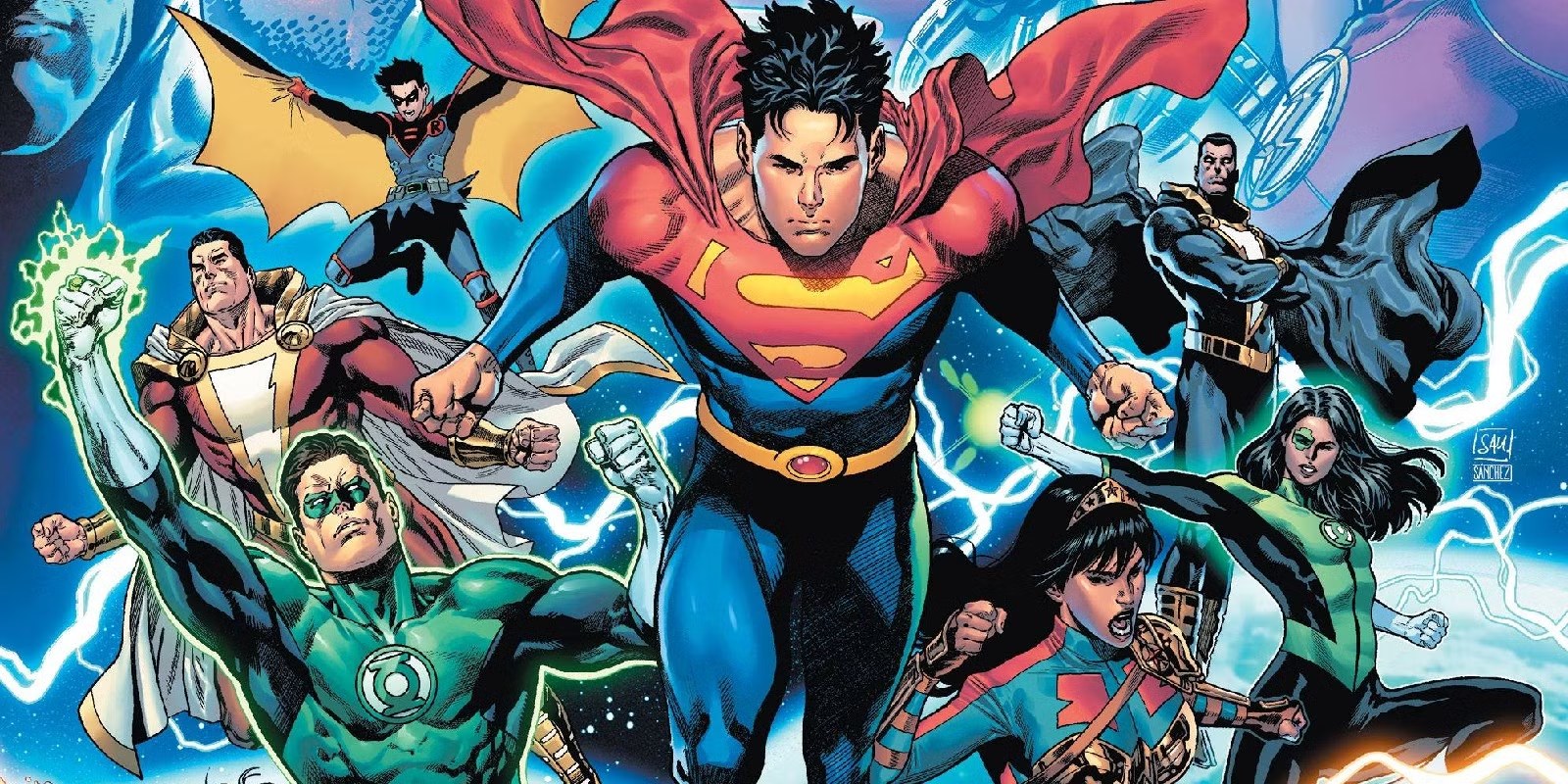
Comic book art includes many visual traditions, each with its own strengths and creative possibilities. Classic American comics often use strong outlines, dramatic poses, expressive faces, and bright colors to make action scenes easy to follow. Manga frequently uses carefully designed characters, dynamic panel layouts, and emotional expressions to bring readers closer to the story. European comics may feature clean linework, detailed environments, and carefully balanced compositions, while independent graphic novels often experiment with unusual colors, rough textures, and personal drawing techniques. These comic book art styles are not strict rules. Artists can combine different influences to create a visual language that fits their story. When exploring references through Jenova or another AI-assisted creative workflow, consider what each style communicates rather than focusing only on its appearance. A dramatic ink style may suit a mystery, while softer shapes and warmer colors may work better for a story about friendship. Understanding these differences helps artists make purposeful choices that support the narrative.
Choosing a Visual Style That Supports Your Story
A successful comic art style should match the mood, audience, and themes of the project. A fast-paced superhero story may benefit from sharp shadows, energetic poses, and strong contrasts that make movement feel exciting. A fantasy adventure might use detailed landscapes, imaginative costumes, and rich colors to build a believable world. In contrast, a quiet character drama may work well with simple backgrounds, subtle facial expressions, and a limited color palette. Before choosing a direction, writers and artists should consider the emotions they want readers to feel and the visual details that communicate those emotions. Jenova can be part of an AI-assisted brainstorming process in which creators explore possible visual directions and compare early concepts. These experiments can help clarify ideas before an artist commits time to finished illustrations. However, a visual reference should remain a starting point rather than a replacement for creative judgment. Artists should adapt their references to fit the characters, setting, and tone of the story. A thoughtful choice creates a stronger connection between the artwork and the narrative.
Building Consistent Characters, Colors, and Panels
Visual consistency is essential when readers follow characters across multiple pages or issues. Characters need recognizable features, clothing, proportions, and expressions, even when they appear in different poses or lighting conditions. A character design sheet can record important details, including hairstyle, facial structure, costume elements, and signature colors. Color palettes also help establish atmosphere and separate characters or locations within a busy scene. For example, cool blue tones can create a feeling of distance or mystery, while warm orange and yellow shades can suggest comfort, energy, or danger when used carefully. Panel composition matters just as much. The size, shape, and arrangement of panels control pacing and guide the reader's attention. Large panels can emphasize important moments, while smaller panels can create quick exchanges or build tension. Artists exploring comic book art styles with Jenova can use visual experimentation to consider different character concepts, color treatments, and scene layouts. The next step is to review these ideas carefully and create a clear style guide. Consistent references help artists maintain a unified appearance throughout the comic, especially when several people contribute to the project.
Using AI-Assisted Workflows for Creative Exploration
AI-assisted creative tools can help artists explore visual possibilities during the early stages of a comic project. Instead of settling on the first idea, creators can compare different approaches to character appearance, lighting, atmosphere, and environment design. Jenova can be considered within this broader creative process, where visual references and concept exploration help artists organize their ideas and decide which direction deserves further development. Clear prompts are useful when experimenting with an AI-supported workflow. Describing the setting, mood, lighting, character features, and intended audience can make a creative brief more focused. It is also helpful to change one element at a time, such as the color palette or level of detail, so that comparisons remain meaningful. Still, AI-generated concepts may contain inconsistent anatomy, unclear details, or visual elements that do not fit the story. Artists should review every result rather than treating it as finished artwork. They should also consider copyright, licensing, platform terms, and disclosure expectations before using generated material commercially. The most effective workflow combines experimentation with human skill, careful editing, and original storytelling. Technology can support the process, but the artist remains responsible for the final creative decisions.
Conclusion
Exploring comic book art styles gives artists more ways to express ideas, build memorable characters, and create stories that connect with readers. From bold superhero illustrations and expressive manga to detailed graphic novels and experimental independent comics, every visual tradition offers useful techniques. The key is to select an approach that supports the story instead of choosing a style simply because it looks impressive. Consistent character designs, thoughtful color choices, readable panel layouts, and clear visual references all contribute to a polished comic. Jenova can be explored as part of an AI-assisted creative workflow that encourages experimentation and helps artists consider different visual directions during concept development. However, technology works best when guided by artistic judgment, original ideas, and careful review. By studying references, testing concepts, and refining their techniques, creators can develop a recognizable visual identity that suits their projects. Whether you are an emerging illustrator or an experienced comic creator, thoughtful experimentation can help transform an early idea into a compelling visual story.
