
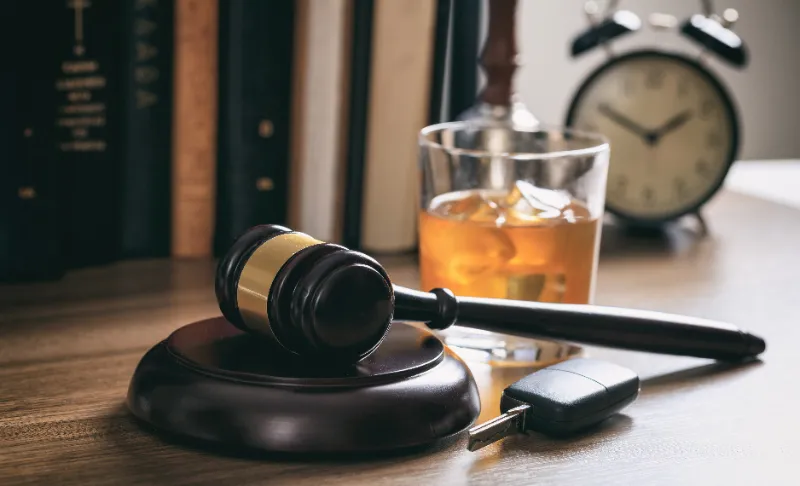
A DWI charge can be stressful, confusing, and costly. In Carteret County, a person facing impaired driving charges must deal with more than the possibility of fines or jail time. A DWI case can affect a driver’s license, insurance costs, employment, and personal reputation. Understanding the legal issues early can help a person make informed decisions about how to respond to the charge.
A DWI Defense Lawyer in Carteret County can review the facts of an arrest, examine the evidence, explain available options, and identify weaknesses in the prosecution’s case. North Carolina uses the term “impaired driving” in its law, and the offense generally involves driving while under the influence of an impairing substance, driving after consuming enough alcohol to reach an alcohol concentration of 0.08 or more, or driving with certain controlled substances in the body.
Every DWI case is different. The traffic stop, field sobriety testing, statements to police, chemical testing, prior driving record, and circumstances surrounding the arrest can all matter. A careful defense begins with looking at the complete picture rather than focusing on one test result or one officer’s observation.
What a DWI Charge Means Under North Carolina Law
North Carolina law makes impaired driving a misdemeanor offense under G.S. 20-138.1. The law identifies several ways the State may establish impaired driving. A person may be charged when driving while under the influence of an impairing substance, after consuming enough alcohol to reach an alcohol concentration of 0.08 or more at a relevant time after driving, or with any amount of a Schedule I controlled substance or its metabolites in blood or urine.
This means that a DWI case is not always simply a question of whether a driver had a certain blood alcohol concentration. The State may rely on other evidence, including observations about driving behavior, physical appearance, speech, coordination, statements, field sobriety testing, and chemical analysis. A DWI defense lawyer in Carteret County can examine how each piece of evidence was obtained and whether it actually supports the charge.
The circumstances of the traffic stop are also important. Before an officer begins an impaired driving investigation, there may have been a reason for the vehicle to be stopped. An attorney can review the stated reason for the stop and determine whether the investigation followed applicable legal requirements. The timeline can matter as well because observations made before, during, and after a stop may tell different parts of the story.
Chemical testing can become a major issue in many North Carolina DWI cases. State law provides procedures governing breath, blood, and other chemical analyses. The law also contains requirements concerning approved testing methods and authorized chemical analysts. This is one reason an attorney may review testing records, reports, certifications, and other documentation instead of treating a reported result as automatically conclusive in every respect.
A person should also understand that a DWI charge is not the same as a conviction. A charge is an accusation that must be addressed through the court process. The defense has an opportunity to examine the State’s evidence, raise appropriate legal issues, and present evidence when relevant. Because the consequences can be serious, getting legal advice early can be an important step.
Evidence That Can Affect a Carteret County DWI Case
Evidence is at the center of nearly every DWI prosecution. Police reports often describe an officer’s observations of the driver, the reason for the stop, the results of field sobriety exercises, statements made by the driver, and the events surrounding an arrest. A DWI defense lawyer in Carteret County can review these details for inconsistencies, missing information, or questions about how the investigation was conducted.
Field sobriety testing may also receive close attention. These exercises are intended to help officers evaluate possible impairment, but the results do not exist in isolation. Weather, road conditions, footwear, lighting, traffic, physical limitations, nervousness, and instructions given by the officer may affect how a person performs. A defense attorney can consider the setting and circumstances rather than simply accepting a report’s conclusion.
Statements made during a traffic stop can also become part of the evidence. Drivers sometimes answer questions without realizing how their words may later be interpreted. A lawyer can review what was actually said, when it was said, and the circumstances surrounding the conversation. Small differences between an officer’s report, body-camera footage, and other records may be relevant to the defense.
Chemical testing deserves careful examination as well. North Carolina law addresses the admissibility and handling of chemical-analysis evidence, including breath, blood, and urine testing. Under G.S. 20-139.1, chemical-analysis results may be admissible when statutory requirements are satisfied. This makes the details surrounding the test important.
A strong defense does not necessarily mean claiming that every test is inaccurate. Instead, the attorney should determine what the evidence actually proves and whether the State followed the required procedures. Questions may involve the timing of the test, the type of test used, records associated with the analysis, and whether applicable statutory requirements were followed.
Video evidence may provide another important source of information. Dash-camera recordings, body-camera footage, booking-area video, and other recordings can sometimes provide a clearer view of what happened than a written report alone. These materials may show a driver’s movements, the officer’s instructions, the timing of events, or conversations that are relevant to disputed facts.
Witnesses may also matter. Passengers, other motorists, friends, employees, or people who saw the driver before or after the traffic stop may have information that helps explain the circumstances. An experienced DWI attorney can determine whether witness testimony is relevant and how it fits with the rest of the evidence.
Why Chemical Testing and Implied Consent Matter
North Carolina has an implied-consent law that can create consequences beyond the criminal DWI charge. Under G.S. 20-16.2, a person who drives a vehicle on a highway or public vehicular area gives consent to chemical analysis when charged with an implied-consent offense, subject to the procedures established by law.
Chemical testing may involve breath, blood, or another type of sample. North Carolina law establishes procedures for requesting these tests and for handling refusals. A willful refusal can have separate driver’s-license consequences, so a DWI case can involve both criminal and administrative issues.
This distinction is important. A person may face a criminal impaired-driving case while also dealing with a driver’s-license revocation issue. These matters are related, but they are not necessarily identical. Someone who is unsure about the status of a driving privilege should speak with a qualified North Carolina attorney as soon as possible rather than assuming that the criminal court case automatically resolves every license issue.
The circumstances surrounding a refusal may also deserve review. The law provides specific procedures for notifying a person of implied-consent rights and for requesting chemical analysis. A lawyer can examine the paperwork and circumstances to determine whether the applicable requirements were followed.
The type and timing of a chemical test can matter too. North Carolina law contains specific provisions addressing chemical analyses and the admissibility of their results. For that reason, a DWI defense lawyer in Carteret County may request or review records connected with the testing process.
It is also important not to assume that refusing a test automatically makes a DWI case disappear or that taking a test automatically proves guilt. Neither conclusion is reliable without examining the full record. The State may have other evidence, and the defense may have legal or factual issues to raise.
Because license consequences can move on a different track from the criminal prosecution, prompt legal guidance is especially important after an arrest. Waiting until a court date is close may make it harder to address certain time-sensitive concerns.
DWI Sentencing and Factors That Can Change the Outcome
If a person is convicted of impaired driving in North Carolina, sentencing is not necessarily the same in every case. G.S. 20-179 requires a sentencing hearing and provides a framework for considering grossly aggravating, aggravating, and mitigating factors.
Prior impaired-driving convictions can be especially important. North Carolina law identifies certain prior DWI convictions within a seven-year period as grossly aggravating factors. Other circumstances can also qualify, including driving while a license is revoked under specified circumstances, serious injury caused by impaired driving, and having certain vulnerable passengers in the vehicle.
Other facts can increase the seriousness of a case during sentencing. These can include an alcohol concentration of 0.15 or more, especially reckless or dangerous driving, a reportable accident caused by negligent driving, driving while the license was revoked, certain prior motor-vehicle convictions, excessive speeding, or other circumstances that aggravate the offense.
Mitigating factors may also be relevant. The statute includes factors such as slight impairment resulting solely from alcohol with an alcohol concentration not exceeding 0.09, a safe driving record, safe and lawful driving apart from impairment, and certain circumstances involving prescribed medication or voluntary assessment and treatment.
The court weighs these factors according to the statutory framework. When there are no grossly aggravating factors, the balance between aggravating and mitigating factors can affect whether the defendant receives Level Three, Level Four, or Level Five punishment.
This is why prior driving history and the details of the current charge should be reviewed early. Two people charged with DWI may have very different sentencing exposure because their records and circumstances are different. A DWI defense lawyer in Carteret County can review the driving history and identify factors that may affect the potential outcome.
The consequences can include fines, incarceration, community service, probation, substance-abuse assessment or treatment, and driver’s-license consequences depending on the circumstances and applicable sentencing level. North Carolina’s sentencing statute provides different punishment ranges for different levels of DWI cases.
A defense strategy should therefore address more than the question of whether the charge can be dismissed. If conviction is a possibility, understanding sentencing exposure can help a person make informed decisions about plea negotiations, trial strategy, and preparation for sentencing.
Choosing a DWI Defense Lawyer in Carteret County
Choosing the right attorney can make the legal process easier to understand. A person looking for a DWI Defense Lawyer in Carteret County should consider whether the lawyer regularly handles impaired-driving cases in North Carolina and understands the procedures that apply to local criminal courts.
Experience with DWI defense matters because these cases involve several layers of law. An attorney may need to understand traffic-stop issues, constitutional rights, field sobriety testing, chemical analysis, implied consent, driver’s-license consequences, evidentiary rules, plea negotiations, and DWI sentencing. Familiarity with these issues can help an attorney identify questions that might otherwise be overlooked.
Communication is another important consideration. A good attorney should be able to explain the charge and potential consequences in plain language. Clients should understand what is happening, what deadlines may apply, what decisions they may need to make, and what the attorney believes are the strengths and weaknesses of the case.
Preparation also matters. A careful defense lawyer may review police reports, video recordings, chemical-analysis information, driving records, charging documents, witness information, and other relevant materials. The purpose is to understand the evidence before making major decisions.
It is also wise to be cautious about promises. No responsible attorney can guarantee a dismissal, acquittal, or particular sentence before reviewing the facts and evidence. The best approach is usually a realistic evaluation of the case, followed by a strategy based on the available evidence and the client’s goals.
People facing DWI charges should preserve documents and information related to the arrest and avoid discussing the details publicly. They should also follow any court orders or release conditions and attend required court appearances. When speaking with an attorney, providing an accurate account of what happened is important, even when some details may seem unfavorable. A lawyer needs the full story to provide meaningful advice.
For residents and visitors dealing with a DWI charge in Carteret County, early action can make a difference. The sooner an attorney can review the case, the sooner potential legal issues can be identified and addressed. That does not guarantee a particular result, but it can help ensure that important evidence and legal questions receive proper attention.
Conclusion
A North Carolina DWI charge can involve much more than a breath-test number. The reason for the traffic stop, officer observations, field sobriety testing, statements, chemical analysis, implied-consent procedures, prior driving history, and sentencing factors can all influence the case. North Carolina law provides detailed rules governing impaired driving, chemical testing, license consequences, and sentencing.
Working with a qualified DWI Defense Lawyer in Carteret County can help a person understand these issues and make informed decisions. A thorough review of the evidence may uncover factual disputes, procedural concerns, or other legal issues that deserve attention. Every case has its own facts, so legal advice should be based on the specific circumstances rather than general assumptions.
If you or someone you know has been charged with DWI in Carteret County, taking the charge seriously and seeking timely legal guidance can be an important first step. This article provides general information about North Carolina DWI law and is not a substitute for advice from a licensed attorney who can evaluate an individual case.
