
Introduction
100% silk scarves have long been associated with luxury, elegance, and effortless style. Made from natural silk fibers, these scarves offer a smooth texture, soft feel, and beautiful drape that synthetic fabrics often struggle to match. A quality silk scarf can add a polished touch to a simple outfit, keep you comfortable in changing weather, or become a lasting accessory that works across many seasons. Unlike short-lived fashion pieces, a well-made silk scarf can remain useful for years when it receives the right care. Its natural shine and graceful movement make it suitable for both everyday outfits and more formal occasions.
The appeal of 100% silk scarves goes beyond appearance. Silk is a natural protein fiber known for its softness, strength, and ability to feel comfortable against the skin. Because of its lightweight nature, a silk scarf can provide gentle coverage without feeling bulky. It can also be styled in many ways, from a traditional neck wrap to a head scarf, hair accessory, handbag accent, or decorative piece. For shoppers looking for quality, versatility, and timeless fashion, understanding silk fabric, weave, construction, and care can make it easier to choose a scarf that delivers lasting value.
What Makes 100% Silk Scarves Different?
The biggest difference between 100% silk scarves and scarves made from polyester or blended fabrics is the material itself. Natural silk is produced from silk fibers, most commonly associated with silkworms, and these fibers can be woven into a fabric that is lightweight yet remarkably strong. The surface has a natural softness and subtle sheen that gives silk its recognizable appearance. Different weaving methods can create different textures and finishes, including smooth satin-like surfaces, crisp twill, airy chiffon, and lightweight habotai. This variety means that two genuine silk scarves can feel and look quite different while both being made from the same natural fiber.
Quality also plays an important role in the experience of wearing 100% silk scarves. Factors such as silk type, fabric weight, weave, printing method, stitching, and finishing can affect the final product. Mulberry silk, for example, is widely valued for its fine and consistent fibers, while silk twill is popular for scarves because it offers a soft feel with a slightly structured drape. A genuine silk scarf should also have carefully finished edges and a fabric surface that feels refined rather than overly coarse. When shopping for a silk accessory, checking the material description and construction details can help distinguish a true silk product from a scarf that only has a silk-like appearance.
The Comfort and Beauty of Natural Silk
One reason silk scarves remain popular is their comfortable feel against the skin. Silk is naturally smooth, making it a pleasant choice for people who prefer soft accessories around the neck or head. It is also lightweight, so a silk neck scarf can add style without creating the heavy feeling that some thicker winter accessories produce. Silk has natural temperature-regulating properties as well, which can make it useful during different parts of the year. A lightweight scarf may offer a little warmth during a cool evening while remaining comfortable in milder conditions. This balance of softness and lightness gives silk an advantage as a versatile fashion material.
The visual qualities of silk are just as important. Its natural luster catches light in a subtle way, helping colors and patterns appear rich and dimensional. Floral prints, geometric designs, abstract artwork, classic borders, and solid shades can all look elegant on silk fabric. The way the material folds and moves also adds character to an outfit. A silk scarf can be tied neatly for a professional appearance or worn loosely for a relaxed look. Whether paired with a dress, blouse, coat, blazer, or simple shirt, 100% silk scarves can provide a refined finishing touch without overwhelming the rest of the outfit.
How to Style 100% Silk Scarves
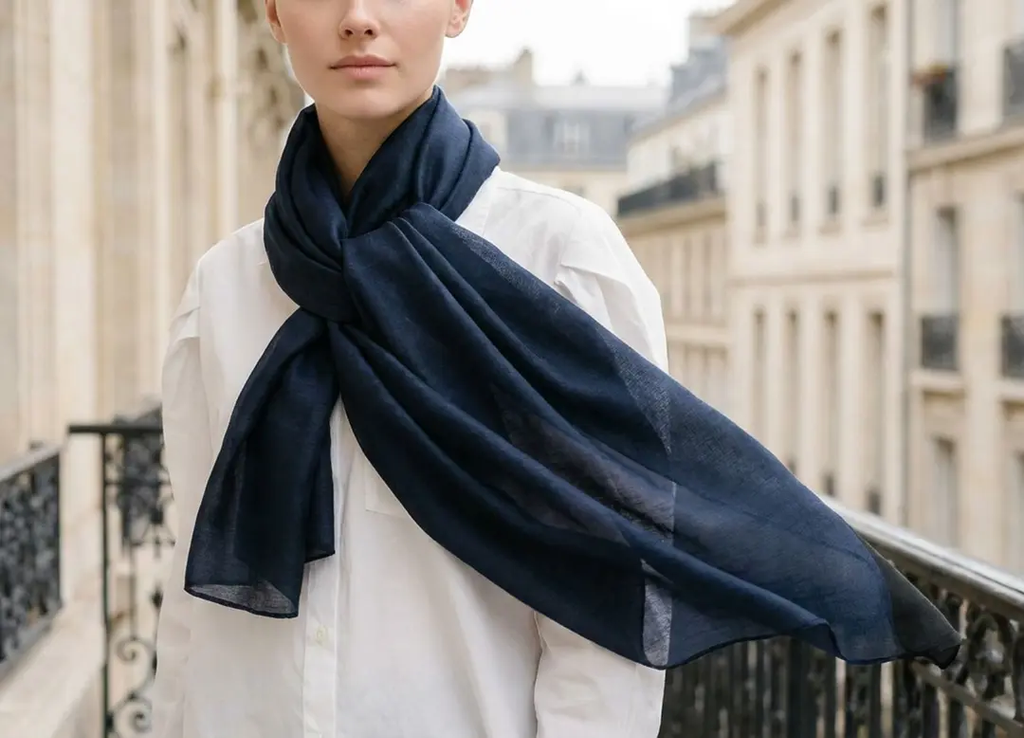
The versatility of 100% silk scarves makes them useful far beyond traditional neckwear. One classic approach is to fold a square scarf into a triangle and wrap it around the neck, creating a simple and polished look. A smaller scarf can be tied loosely at the neck or around the wrist, while a larger silk scarf can be draped over the shoulders like a light wrap. Some people also wear silk scarves as head coverings or hair accessories. A scarf tied around a ponytail or woven into a braid can add color and texture without requiring an elaborate hairstyle. These simple styling methods allow one accessory to create several different looks.
Silk scarves can also become part of an outfit through creative accessories. A colorful scarf tied around a handbag handle can add a small but noticeable detail, while a neatly folded scarf tucked into a blazer pocket can create a sophisticated accent. Patterned silk works especially well when the rest of an outfit uses simple colors and clean lines. On the other hand, a solid silk scarf can help balance clothing with bold prints. The key is to consider proportion, color, and occasion. A delicate scarf may suit a casual daytime outfit, while a larger patterned scarf can create a more dramatic effect for an evening event. With a little experimentation, one high-quality silk accessory can support many personal style choices.
Choosing the Right Silk Scarf for Your Needs
When choosing 100% silk scarves, shoppers should consider size, fabric weight, weave, color, pattern, and intended use. A small square scarf can be convenient for neck styling, hair accessories, or handbag decoration. Larger square or rectangular designs offer more options for draping and wrapping. The fabric’s weight also affects how it behaves. Lightweight silk may create an airy and flowing appearance, while a heavier silk twill can hold its shape better when tied. People who want a scarf for regular use may prefer a durable weave, while someone searching for a statement accessory may focus more heavily on pattern, color, and finish.
It is also important to look carefully at product descriptions before purchasing. A scarf described as “silky” is not necessarily made from silk. Terms such as silk-feel, satin-look, or silk touch may describe synthetic materials rather than genuine natural silk. Buyers who specifically want 100% silk should look for clear material information stating that the fabric is 100% silk. The quality of stitching and edge finishing is also worth checking, especially when purchasing a premium accessory. A carefully made scarf should have clean seams and a finished edge. By paying attention to these details, shoppers can make a more informed decision and choose a silk scarf that matches both their style and practical needs.
Caring for 100% Silk Scarves
Proper care can help 100% silk scarves maintain their softness, color, shape, and natural sheen. Silk is a delicate natural fiber, so it should not automatically be treated like cotton or synthetic fabric. Always check the manufacturer’s care label first because different silk weaves and finishes may have specific requirements. Some silk scarves can be hand washed with a gentle detergent, while others may require professional dry cleaning. When hand washing is permitted, cool water and careful handling are generally preferable to harsh washing methods. Strong detergents, bleach, hot water, and rough scrubbing can damage delicate silk fibers or affect the appearance of dyes.
Storage matters too. A silk scarf should be kept clean and completely dry before being stored for a longer period. Avoid placing it in direct sunlight for extended periods because light can gradually affect some dyes. Folding a scarf loosely or rolling it can help prevent unnecessary creasing, while keeping it away from rough surfaces can protect the fabric from snags. If wrinkles appear, follow the care instructions rather than applying excessive heat. With thoughtful handling, high-quality silk accessories can remain beautiful for many years. This durability, combined with their timeless appearance and styling flexibility, is one reason silk continues to hold an important place in the world of fashion.
Conclusion
100% silk scarves combine natural beauty, comfort, versatility, and lasting style in one elegant accessory. Their smooth texture, lightweight feel, natural luster, and graceful drape make them suitable for a wide range of outfits and occasions. From a simple neck tie to a head scarf, handbag accent, or shoulder wrap, a single silk accessory can be styled in many different ways. Understanding the differences between silk types, weaves, sizes, and finishes can help shoppers find an option that fits their personal style and daily needs. Choosing genuine silk also means paying attention to product descriptions and construction rather than relying only on words such as “silky” or “luxurious.”
With proper care, 100% silk scarves can remain attractive and useful for years, making them more than a temporary fashion trend. Their timeless character allows them to work with classic wardrobes as well as modern styles, while their natural material provides a distinctive feel that synthetic alternatives may not fully reproduce. Whether someone is buying a first silk scarf or adding another design to an existing collection, focusing on quality, versatility, and care is a smart approach. A well-selected silk scarf can become a dependable wardrobe accessory that brings together luxury, comfort, and personal expression in a simple and elegant way.
