
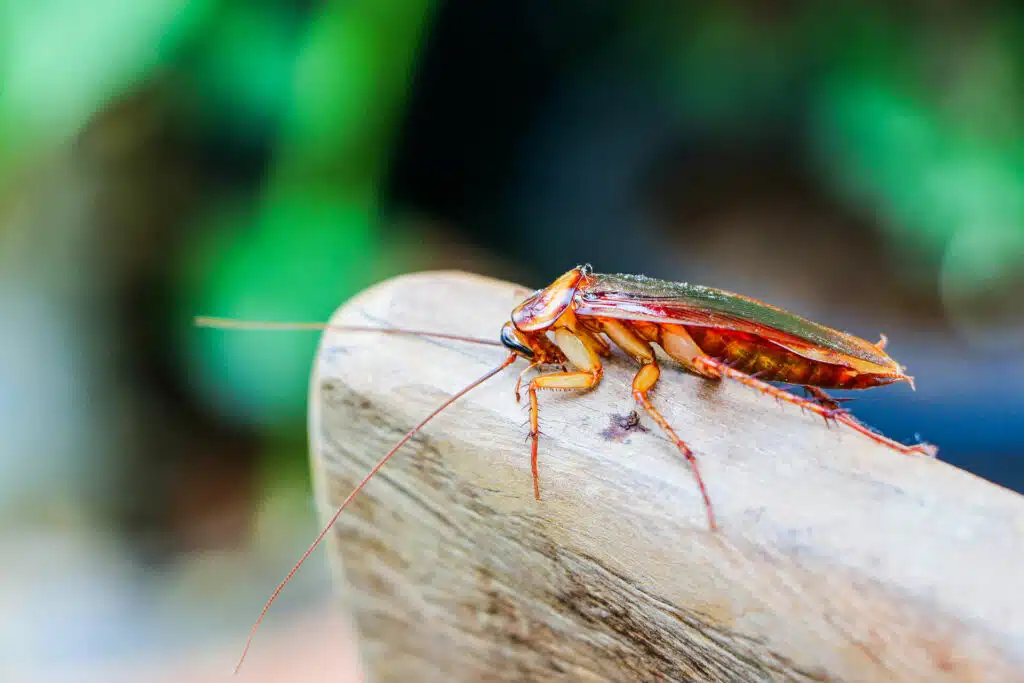
It usually begins as a small annoyance that seems harmless at first. The floor near the dishwasher feels slightly damp every few days, even after being wiped dry. Sometimes there is a faint musty smell near the cabinetry, or moisture appears around the kickboard beneath the appliance. Then one evening, while walking into the kitchen for water, a cockroach darts across the floor near the dishwasher.
Many homeowners assume the insects appeared because of food crumbs or poor kitchen hygiene. In reality, persistent dampness around a dishwasher often creates the exact conditions cockroaches are searching for. Warmth, hidden moisture, and dark shelter make this area one of the most overlooked pest hotspots in the kitchen.
Why Dishwashers Create Ideal Cockroach Conditions
Dishwashers naturally generate heat, steam, and humidity during operation. Even after the cycle finishes, the surrounding cabinetry and flooring can remain warm and slightly damp for hours. For cockroaches, this combination creates a stable environment that supports survival and nesting.
Cockroaches are strongly attracted to moisture because they rely on water more than survival food. A damp appliance cavity gives them access to condensation, tiny leaks, and humid air while also keeping them hidden from light and activity. The narrow spaces around dishwashers also protect from disturbance during the day.
The problem becomes worse in kitchens with poor ventilation or older appliances. Moisture trapped behind cabinetry may remain unnoticed for long periods, especially when the dishwasher is installed tightly against walls and cupboards.
Common Causes of Dampness Around Dishwashers
In many homes, the dampness around a dishwasher is caused by a small issue that slowly worsens over time. Loose hose connections are one of the most common causes. Water may drip slowly underneath the appliance during each wash cycle without becoming immediately visible.
Blocked drainage lines can also cause excess water to back up inside the machine, increasing internal condensation and moisture around the base. In some cases, worn door seals allow tiny amounts of water to escape during operation, especially in older dishwashers.
Condensation behind cabinetry is another frequent issue. Steam generated during wash cycles may become trapped behind enclosed cabinets where airflow is limited. Over time, this creates a consistently humid environment that attracts pests.
Slow leaks beneath the unit are particularly problematic because they often remain hidden for months. Water can soak into flooring, cabinet materials, or wall edges while the visible kitchen surface appears mostly dry.
Why Cockroaches Gather Near Damp Kitchen Areas
Cockroaches actively seek reliable water sources, especially at night when kitchens become quiet and undisturbed. Damp dishwasher areas provide easy access to moisture without exposing them to open spaces.
Unlike many insects, cockroaches can survive for extended periods with very little food if water is available. Even a small amount of condensation or a leaking hose connection can sustain them. Kitchens naturally provide additional attractions such as grease residue, food particles, and warmth from appliances.
Once cockroaches discover a dependable moisture source, they often remain nearby and begin exploring surrounding cavities for shelter. This is why sightings near the dishwasher frequently increase over time instead of disappearing on their own.
Hidden Places They Use Around the Dishwasher
Cockroaches rarely stay in open areas for long. Most activity happens inside hidden spaces surrounding the appliance. The gap behind the dishwasher is one of the most common harborage areas because it stays dark, warm, and difficult to clean thoroughly.
They also hide beneath kickboards, inside narrow cabinet gaps, and around plumbing penetrations where pipes pass through walls or cupboards. Small wall voids near the dishwasher may provide direct access to larger nesting areas inside the structure of the home.
In some kitchens, cockroaches move between adjoining appliances such as refrigerators, ovens, and dishwashers because these spaces collectively provide warmth and protection. The insects often remain hidden during daylight hours, which is why homeowners may only notice them late at night.
Why Cleaning Alone Doesn’t Stop Them
Many people respond to cockroach sightings by cleaning the visible kitchen floor more frequently. While this helps reduce food residue, it usually does not solve the actual problem behind the infestation.
The hidden moisture behind or beneath the dishwasher often remains untouched. Damp insulation, leaking hoses, condensation, or concealed gaps continue providing favourable conditions regardless of how often the surface floor is cleaned.
Cockroaches also nest deep inside wall cavities, appliance gaps, or behind cabinetry where household cleaning products cannot reach effectively. Even spotless kitchens may still experience infestations if moisture sources remain active. This is why recurring cockroach activity around dishwashers should not be dismissed as a simple cleanliness issue.
When Cockroach Pest Control Becomes Necessary
If cockroaches keep appearing near the dishwasher, professional Cockroach Pest Control can help locate the nesting area, treat hidden spaces, and stop the activity from spreading.
Persistent sightings usually indicate that cockroaches are already established somewhere within the surrounding cabinetry, wall cavity, or appliance void. Surface sprays alone often fail because they do not address deeper harbourage zones where moisture and warmth remain present.
A proper inspection can identify the underlying moisture source while also targeting hidden access points that allow cockroaches to move through the kitchen unnoticed.
What Homeowners Should Check First
Homeowners noticing dampness near the dishwasher should first inspect for visible leaks around hose connections and plumbing fittings. Even minor drips should be repaired quickly before moisture spreads into cabinetry or flooring.
Cleaning away grease, food residue, and standing water also helps reduce attractants. After each dishwasher cycle, drying any visible moisture around the appliance can limit humidity build-up.
Door seals should be checked for cracks or wear, particularly on older units. Cabinets beneath nearby sinks should also remain dry because damp storage areas often support pest activity.
If moisture continues returning despite these steps, the issue may involve hidden plumbing leaks or condensation trapped behind the appliance itself.
Moisture Is Usually the Real Problem
When cockroaches repeatedly appear around the dishwasher area, the problem is rarely caused by poor cleaning alone. In most cases, the real issue is hidden moisture combined with warmth, darkness, and concealed access points.
Dishwashers naturally create conditions that cockroaches find attractive, especially when leaks, condensation, or poor ventilation are involved. Unless the underlying dampness is identified and corrected, the activity often continues, no matter how clean the visible kitchen appears. Addressing the moisture source early is usually the most effective way to reduce both the dampness and the ongoing pest problem.
FAQs
Why does the floor near my dishwasher keep feeling damp?
Small leaks, loose hose connections, condensation, or worn door seals commonly cause repeated dampness around dishwashers.
Are cockroaches attracted to damp areas?
Yes. Cockroaches actively seek moisture because water is essential for their survival and reproduction.
Can a dishwasher leak attract cockroaches?
Yes. Even slow leaks or trapped humidity behind the dishwasher can create favourable conditions for cockroach activity.
Where do cockroaches usually hide near dishwashers?
They commonly hide behind the appliance, under kickboards, inside cabinet gaps, around plumbing holes, and within nearby wall cavities.
Why do I mostly see cockroaches at night?
Cockroaches are nocturnal insects and typically leave hiding places when kitchens become dark and quiet.
Will cleaning the kitchen stop cockroaches completely?
Cleaning helps reduce food residue, but it usually will not solve the problem if hidden moisture or nesting areas remain active.
