
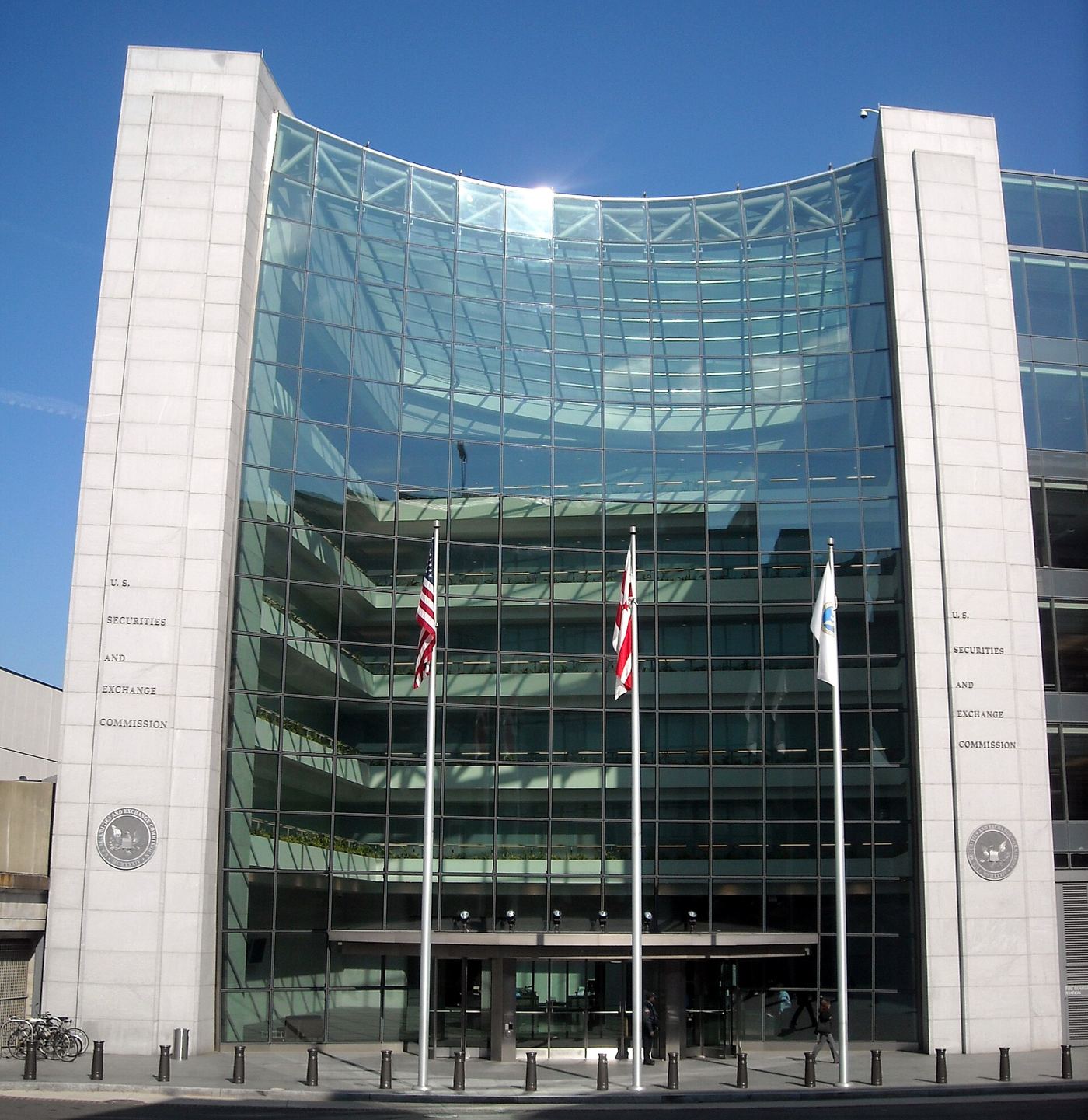
On November 19, 2026, the Securities and Exchange Commission charged eight Colorado-based entities with running fake investment advisers and fake crypto trading platforms that took more than 37 million dollars from American investors. The complaint, filed in federal court in Colorado, says the scheme ran from August 2024 through May 2026 and defrauded more than 1,500 people. The operators allegedly lured victims through social media adverts and messaging groups, promising professional crypto trading, when the advisers and platforms were simply fronts to steal the money. The entities were registered in Colorado but were likely run by people overseas, the SEC said, and no individual operator was named in the complaint. Victims were shown fake SEC certificates and pointed to real regulatory filings that carried no approval. In total the scheme collected about 35.5 million dollars in crypto and 1.9 million dollars in cash.
What the Evidence Shows
The scheme worked in rotation. Four adviser-and-platform pairs each operated for about five to seven months before the operators abandoned one identity and started the next. Advisor WeChat Capital and Tech Brokerage Asset Alliance ran from August to December 2024 and took at least 7.3 million dollars; HB Wealth Advisors and IdeaCrypto Exchange followed and took 13.6 million; Convergent Wealth Advisors and RealSimple Crypto Exchange took 10.4 million; and Associated Wealth Advisors and Essential Crypto Exchange closed the run with 4.2 million dollars. All eight entities face fraud charges under the Exchange Act, and the SEC is seeking injunctions, repayment of the money with interest, and civil penalties. The case is a civil complaint, so the allegations have not yet been tested in court. It is also a reminder that a company registration or a genuine filing proves nothing: investors should check an adviser’s registration directly with the regulator before sending money. Reporting and analysis from sources such as CoinDesk track the same developments, and specialists following the SEC’s fake crypto platform case say the direction is now consistent across independent lines of evidence.
The Wider Context
Market structure around the SEC’s fake crypto platform case has matured in measurable ways: deeper liquidity, professional custody and surveillance-sharing agreements that exchanges once resisted. None of that removes volatility, and regulators repeat that message in every publication. What it changes is the kind of failure investors face, from disappearing venues toward ordinary, legible market risk.
What Happens Next
The outlook for the SEC’s fake crypto platform case is best stated in scenarios rather than predictions, because this market still moves on sentiment as much as on fundamentals. The structural trends, institutional participation, regulated products and better consumer protection, point one way; the price charts will continue to point in several directions at once. Separating those two statements is the beginning of competence here. You can follow related developments in our coverage of crypto.
It is also worth remembering how quickly the picture in this area has changed before. Positions that looked settled a few years ago have been revised as new data arrived, and the same humility is appropriate now. The strongest coverage of this subject, and the most useful advice, tends to come from sources that update their views openly when the facts move, rather than defending an earlier position long after it has stopped fitting the evidence available.
