
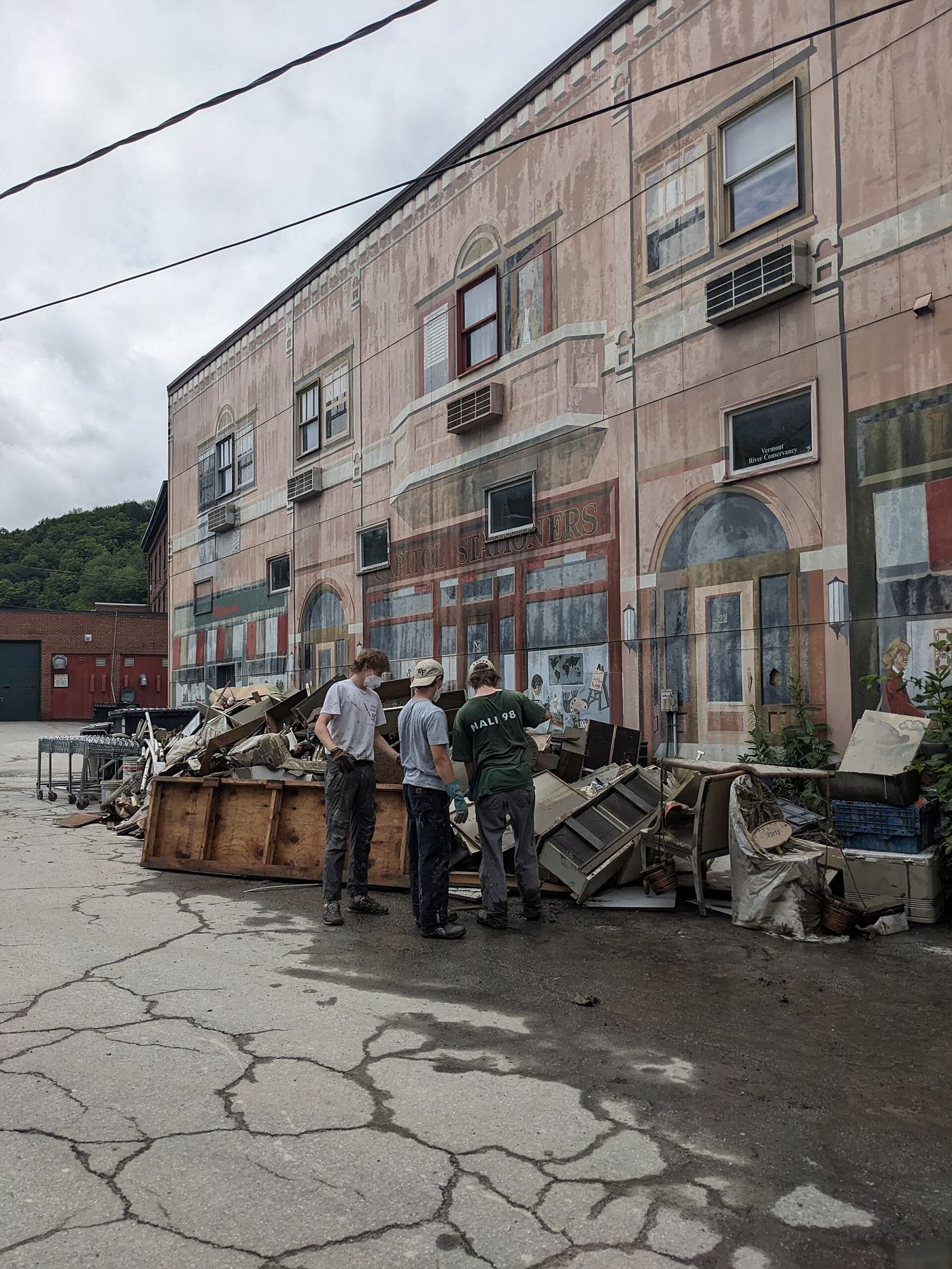
Flooded roads are reopening in stages as cleanup teams finish the safety checks that must come before traffic returns. A street that looks clear can still hide damaged surfaces, lifted drain covers, contaminated silt or weakened verges, so inspectors walk each route before barriers come down. Bus companies and emergency services are given the reopening order first, so diversions can be lifted in a coordinated way rather than street by street confusion. Residents returning by car are asked to drive slowly through newly reopened areas, where cleanup crews may still be working at the edges and surfaces can remain slippery with fine mud. Temporary traffic lights remain on a small number of streets where repairs continue, and drivers are advised to allow extra time while the last restrictions are lifted.
What the Evidence Shows
Local councils say the phased approach can frustrate drivers, but reopening a road too early risks accidents and further damage that would close it for longer. While routes are shut, teams take the chance to repair potholes, repaint markings and clear pavements so the street returns in better condition than before. Shops on affected roads are being visited by recovery staff with advice on cleaning, insurance records and grants where schemes exist. Community groups praised neighbours who checked on older residents during the disruption, saying that local knowledge often reached people faster than official messages. With most routes expected back to normal soon, attention is shifting to lessons learned and to the drainage work that should follow. A final review will bring the reopening experience together for future incidents. Reporting and analysis from sources such as Associated Press track the same developments, and specialists following staged road reopenings after flooding say the direction is now consistent across independent lines of evidence.
The Wider Context
Regional and local reporting on staged road reopenings after flooding often tells a different story from national coverage, because the effects land unevenly: one town’s pilot is another’s distant proposal. Analysts who follow the subject full-time read the local data first, arguing that national averages conceal the variation that decides whether a policy or a project deserves to spread.
What Happens Next
The longer story of staged road reopenings after flooding is still being written by the people closest to it, whose experience rarely matches the earliest predictions of either supporters or critics. Reporting will continue to follow the evidence as it accumulates, including where it complicates today’s account. That is the deal serious coverage makes with its readers, and it holds for this subject as for any other. You can follow related developments in our coverage of news.
It is also worth remembering how quickly the picture in this area has changed before. Positions that looked settled a few years ago have been revised as new data arrived, and the same humility is appropriate now. The strongest coverage of this subject, and the most useful advice, tends to come from sources that update their views openly when the facts move, rather than defending an earlier position long after it has stopped fitting the evidence available.
