
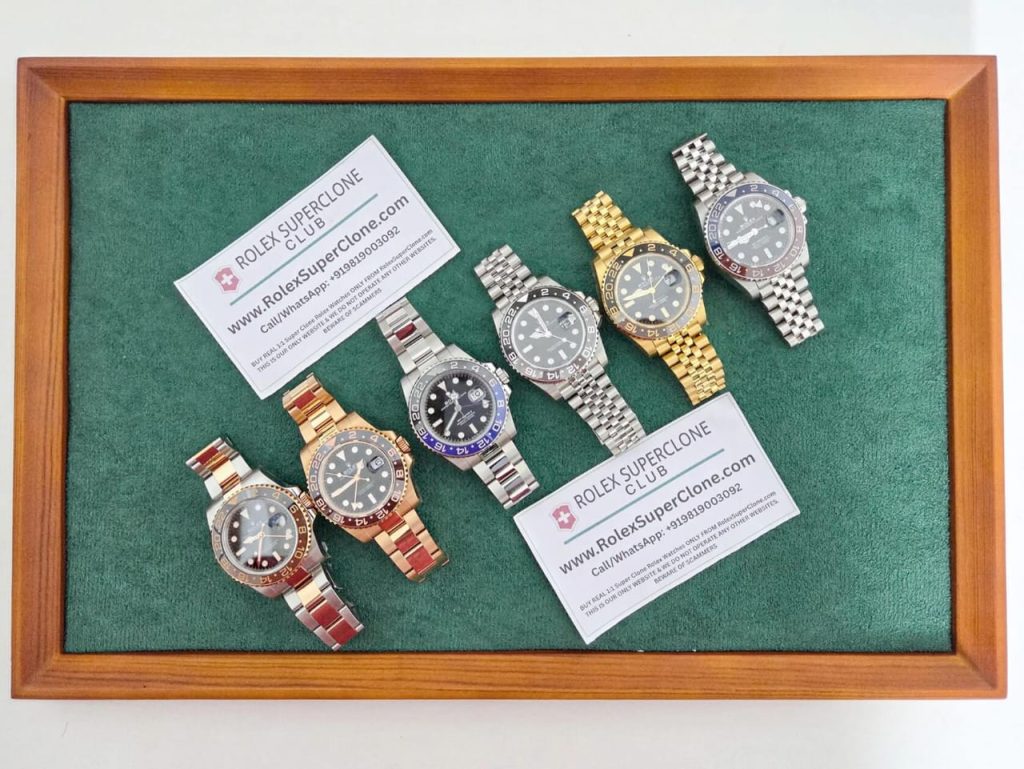
The super clone rolex market has developed around replicas designed to resemble well-known luxury watch models, with some products focusing on the visual character of classic timepieces while others copy the sharper appearance of modern releases. This difference is important because watch design has changed significantly over the years. Classic Rolex-inspired designs often feature simple proportions, traditional dial layouts, polished cases, and details associated with earlier generations of luxury watches. Modern designs, by comparison, may use larger-looking profiles, updated bracelet styles, stronger dial contrasts, and more contemporary finishing. For readers exploring the Rolex Super Clone topic, understanding these design differences provides useful context without confusing a replica with a genuine Rolex. A genuine Rolex is produced under the brand’s own manufacturing and quality-control systems, while a replica attempts to reproduce its appearance without being an authentic product. That distinction matters when evaluating craftsmanship, materials, reliability, value, and legal or ethical concerns surrounding counterfeit goods. Looking at the market through these factors also makes it easier to understand why certain replica styles attract attention while others appeal mainly to people interested in vintage-inspired aesthetics.
Classic-inspired replicas generally take design cues from recognizable watch characteristics such as restrained case dimensions, uncomplicated hour markers, familiar bezel shapes, and traditional bracelet construction. These features can create a timeless appearance because they are less dependent on short-term fashion trends. Modern-inspired versions often place greater attention on contemporary proportions, intricate dial details, updated bezel designs, and more noticeable wrist presence. Within discussions about a super clone rolex, these differences are sometimes described through terms such as replica watch, luxury watch replica, homage-style design, vintage-inspired watch, modern timepiece, automatic movement, stainless-steel case, sapphire-style crystal, and precision finishing. However, technical claims made by replica sellers should be treated carefully because specifications can vary considerably between products and suppliers. A watch that looks convincing in photographs does not automatically have the durability, accuracy, water resistance, servicing support, or manufacturing consistency of an authentic luxury timepiece. For that reason, design comparison is most useful when it considers both appearance and practical limitations. The strongest evaluation focuses on what can actually be verified rather than relying on marketing language or exaggerated claims about being indistinguishable from the genuine product.
Classic Designs and Their Lasting Appeal
Classic Rolex-inspired designs remain popular because their visual language has stayed recognizable across generations. Earlier luxury watches often relied on balanced proportions rather than oversized cases or highly complex displays. A clean dial, carefully shaped hands, modest bezel, and traditional bracelet can produce a refined appearance without excessive decoration. In the super clone rolex market, manufacturers often attempt to reproduce this older visual style because it has broad appeal among people interested in vintage watches and traditional horology. The attraction is partly connected to simplicity: classic designs can work with formal clothing, business wear, or everyday outfits without looking strongly tied to a particular trend. Vintage-inspired cases also tend to emphasize proportion and symmetry, two qualities that experienced watch enthusiasts frequently consider important. At the same time, a visual resemblance should not be mistaken for historical authenticity. A replica produced today does not become a vintage Rolex simply because it copies an older design. Genuine vintage watches also have documented histories, original or period-correct components, established production records, and collectible value that replicas do not share.
Another feature of classic designs is their relationship with mechanical watch history. Traditional automatic watches are valued partly because mechanical movements represent a long tradition of miniature engineering, where gears, springs, and other components work together without relying on a conventional battery. Replica manufacturers may advertise automatic movements inside classic-looking cases, but movement quality can vary widely. Accuracy, power reserve, resistance to shocks, ease of servicing, and long-term reliability depend on the actual movement used rather than the appearance of the watch. This is especially relevant when comparing a super clone rolex with a genuine luxury timepiece. The exterior may imitate familiar elements, yet the internal engineering and quality-control processes can be very different. For anyone studying this market, separating design similarity from mechanical performance is one of the most useful ways to understand the difference between visual replication and genuine watchmaking.
Modern Designs and Contemporary Styling
Modern Rolex-inspired watches generally have a stronger emphasis on contemporary wrist presence and updated detailing. Modern luxury watch design can include larger case profiles, more complex dial textures, prominent hour markers, refined bracelet integration, and changes in bezel proportions. These details give newer designs a more current appearance while preserving recognizable elements from established watch families. In the super clone rolex market, replicas based on modern designs may attempt to reproduce these characteristics through similar case shapes, dial arrangements, bracelet patterns, and surface finishes. The result can appear more visually sophisticated than a simple low-cost imitation, particularly in carefully produced photographs. Yet visual sophistication does not establish authenticity or guarantee comparable performance. Manufacturing precision involves much more than copying an exterior shape. Tolerances, component quality, assembly standards, testing procedures, and after-sales servicing all affect how a mechanical watch performs over time.
Modern design also shows how luxury brands balance tradition with innovation. Many contemporary watches preserve design cues that have existed for decades while introducing updated materials, proportions, and manufacturing methods. This combination helps explain why modern models can appeal to both long-time collectors and younger enthusiasts. A replica market may follow the same visual trends because recognizable modern features can attract people searching for a current-looking timepiece. However, consumers should be cautious with claims involving water resistance, premium metals, advanced movements, or laboratory-level precision when those claims cannot be independently verified. Terms such as high quality, 1:1 replica, Swiss movement, and super clone are frequently used in online marketing, but terminology alone cannot prove the underlying specification. Reliable evaluation requires evidence, transparent information, and realistic expectations.
Materials, Finishing, and Construction
Materials are another major area where classic and modern replica designs can appear similar while performing differently. Stainless steel cases and bracelets are common across many watch categories because steel can offer strength, corrosion resistance, and a versatile appearance. Crystal construction also affects how a watch looks and handles everyday use. Some products use mineral glass, while others advertise sapphire crystal or sapphire-like materials. Case finishing may combine polished and brushed surfaces to create contrast, and bracelet links can have either a basic or more refined feel depending on manufacturing quality. In the super clone rolex market, these construction details are often highlighted because they influence how closely a replica resembles its inspiration. Still, consumers should not assume that an advertised material is present simply because a listing says so. Independent verification is more meaningful than promotional descriptions, especially when expensive purchases or counterfeit products are involved.
Finishing is particularly noticeable in modern watches because sharper transitions and more detailed surfaces can make manufacturing flaws easier to see. Classic designs may appear more forgiving because their simpler shapes contain fewer complex visual elements. On either type, alignment remains an important quality indicator. Markers, hands, bezel details, bracelet connections, and date displays should appear properly positioned on a well-made watch. Poor alignment can make even an attractive design look unfinished. However, careful finishing does not transform a replica into a genuine Rolex. Authentic Rolex watches are supported by established manufacturing systems, brand-controlled specifications, authentication methods, servicing networks, and documented provenance. A replica may reproduce selected visual details, but it does not carry the same origin, warranty relationship, or legitimate brand status.
Comparing Authenticity, Value, and Buyer Awareness
The biggest difference between a genuine Rolex and products discussed under the super clone rolex label is authenticity. A genuine Rolex is an original product manufactured and sold through legitimate channels, while a counterfeit replica uses another company’s trademarks, designs, or identifying features without authorization. This distinction affects more than branding. Authentic luxury watches can have established resale markets, service histories, recognized serial and reference information, and long-term collector interest. Counterfeit products generally do not provide the same level of traceability or legitimate resale value. Buyers may also face risks involving misleading descriptions, inconsistent quality, payment problems, and limited support. Laws concerning counterfeit goods also differ by country, so anyone researching the category should understand the rules that apply in their location rather than assuming that every transaction is permitted.
For SEO readers researching Rolex Super Clone topics, a useful approach is to separate curiosity about design from assumptions about product quality. Comparing a classic-inspired case with a modern-inspired case can be interesting from a horology perspective, but the comparison should not ignore authenticity and provenance. A lower price does not automatically mean better value, particularly when a product has uncertain construction or no dependable service support. Likewise, impressive photographs cannot establish whether a watch has the advertised movement or materials. Responsible research means checking specifications carefully, understanding the difference between an homage and a counterfeit, and recognizing that genuine luxury watches carry value partly because of their origin and documented history. This broader perspective makes online watch research more informed and less dependent on marketing claims.
Conclusion
The comparison between classic and modern designs in the super clone rolex market shows how strongly watch aesthetics can influence consumer interest. Classic-inspired models draw attention through balanced proportions, traditional dials, vintage character, and understated styling, while modern-inspired designs often emphasize contemporary profiles, detailed finishes, and stronger wrist presence. Both approaches demonstrate why established luxury watch designs continue to influence the wider replica and homage market. Yet appearance is only one part of a timepiece. Movement quality, materials, construction, reliability, serviceability, provenance, and authenticity all play major roles in determining a watch’s real-world value. Understanding these differences can help readers interpret terms such as luxury replica, automatic watch, vintage-inspired design, modern timepiece, and super clone more realistically.
Ultimately, the Rolex Super Clone subject is best understood through careful research rather than marketing promises. A replica can imitate selected visual characteristics of a famous watch, but it does not carry the same manufacturing origin, authentication, warranty, or heritage as a genuine Rolex. Classic and modern designs may each have their own visual appeal, yet informed readers should keep authenticity and product claims at the center of any comparison. By looking beyond appearance and considering construction, engineering, provenance, and legal considerations, enthusiasts can develop a clearer understanding of the differences between genuine luxury watches, authorized products, homages, and counterfeit replicas.
