
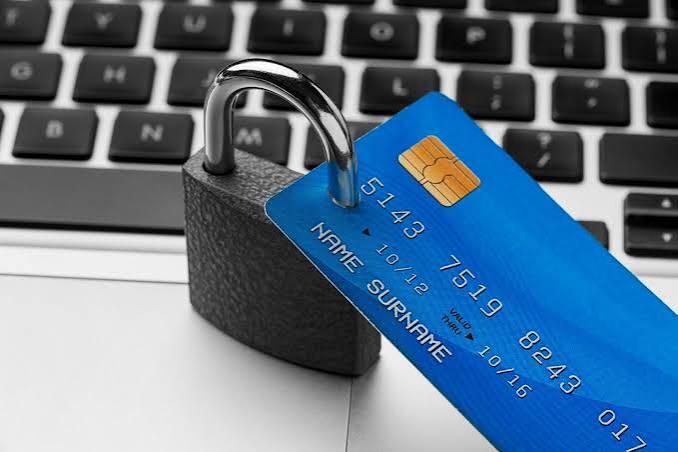
For many users, the attraction of credit card casinos is speed: enter the card information, complete authentication, and begin playing. The responsible approach starts much earlier. Practical household controls that can prevent casino card spending from affecting bills, shared accounts, and long-term financial goals. The player needs to know whether the casino is legally available, whether the issuer permits the transaction, how much the deposit will truly cost, and how any remaining balance or winnings can be withdrawn.
Protect Essential Money
Rent, food, utilities, debt repayments, education, and emergency savings should be separated before any entertainment spending is considered. The key is to separate convenience from affordability. A payment can be technically available while still being expensive, restricted, or unsuitable for the player’s budget. It is sensible to check limits, fees, credit card casinos stages, and ownership requirements in advance. Any unexpected result should be investigated through official casino and bank channels rather than by opening another account, using another person’s card, or trying to disguise the transaction.
Use Transparent Budgeting
Hidden gambling debt can damage trust and delay action. Regular card reviews and honest discussion help identify problems earlier. This point should be considered before the account is funded, not only after a problem appears. Casinos and financial institutions use different systems, so the same transaction can display as approved, pending, reversed, or completed at different times. Clear screenshots, reference numbers, and support transcripts make resolution easier. Players should pause after an error and confirm the status instead of immediately trying the payment again.
Limit Access to Credit
Lower limits, gambling blocks, card locks, removal of saved details, and temporary account restrictions can reduce immediate access during high-risk periods. A cautious player treats this as part of the total gambling cost and risk. The relevant question is not simply whether the card works, but whether the method remains secure, affordable, transparent, and compatible with withdrawal. If the answer depends on assumptions, the player should request written clarification. The casino’s willingness to accept a deposit does not create a duty for the bank to approve it or prove that the spending level is responsible.
Respond to Warning Signs
Borrowing to gamble, hiding statements, missing bills, chasing losses, and using multiple accounts are signs that stronger support may be needed. Good account management reduces the risk connected with this issue. The player should use a personal card, matching registration details, strong login security, and a fixed entertainment budget. It is also important to understand that payment processors and issuers may apply controls that the casino cannot override. Attempts to bypass those controls can breach terms, weaken fraud protection, and create serious payout difficulties.
Practical Checklist
Prioritize essential expenses
Review statements together where appropriate
Enable gambling blocks
Remove stored cards
Seek professional support early
Important: Financial safeguards should be combined with respectful support rather than secrecy, blame, or attempts to recover losses through more gambling.
Conclusion
The central lesson is that card acceptance is only the beginning of the decision. Cost, legality, security, identity verification, payout rules, and personal affordability matter just as much. Players who keep accurate records, use official support, and maintain strict cash-based limits are better protected from both payment problems and impulsive gambling behavior.
