
For millions of professionals, the workday doesn’t end before sunset. Whether you’re heading home after a late shift, traveling between meetings, or driving long distances for work, nighttime commuting presents unique challenges. Reduced visibility, driver fatigue, and unpredictable road conditions all contribute to a higher risk of accidents after dark.
Fortunately, a few proactive habits—and investing in premium car light bulb upgrades alongside the right vehicle lighting—can dramatically improve your safety. Here’s how professionals can make every nighttime commute safer and more comfortable.
1. Ensure Your Vehicle Lights Are Performing at Their Best
Your headlights are your first line of defense during nighttime driving. Dim, aging, or improperly aligned bulbs reduce your ability to detect pedestrians, road signs, and unexpected obstacles.
Modern LED lighting offers significant advantages over traditional halogen bulbs, including:
- Brighter, more focused illumination
- Crisp white light that improves road visibility
- Longer lifespan
- Lower energy consumption
- Faster response times
For drivers looking for premium car light bulb upgrades, SEALIGHT provides a wide range of vehicle-specific LED lighting solutions designed for improved nighttime visibility. Their LED headlight bulbs deliver high-brightness 6500K white light, feature a plug-and-play installation, and are built with durable IP-rated weather resistance for reliable performance in various driving conditions. These upgrades help create a clearer beam pattern while making nighttime driving less tiring.
2. Don’t Ignore Small Exterior Lights
Many drivers focus only on headlights while overlooking other important exterior lights. Components like license plate lights, reverse lights, brake lights, and turn signals all contribute to your vehicle’s visibility.
A simple license plate light replacement can improve rear visibility, make your vehicle easier to identify in low-light conditions, and maintain compliance with local road regulations. SEALIGHT offers LED license plate bulbs that produce bright, even illumination while maintaining a compact plug-and-play design for quick installation.
3. Keep Windshields and Mirrors Spotless
Even minor dirt or smudges become much more noticeable when exposed to oncoming headlights.
Before driving at night:
- Clean the inside and outside of your windshield.
- Wipe all mirrors.
- Replace worn windshield wipers.
- Keep washer fluid topped off.
Clear glass significantly reduces glare and improves overall visibility.
4. Reduce Glare Whenever Possible
Headlight glare from oncoming traffic is one of the biggest challenges during night driving.
Helpful techniques include:
- Look slightly toward the right edge of your lane instead of directly at approaching headlights.
- Using your rearview mirror’s night mode.
- Keeping your windshield clean.
- Ensuring your own headlights are correctly aimed.
Properly aligned LED headlights provide excellent illumination without creating unnecessary glare for other drivers.
5. Drive at a Speed That Matches Visibility
Nighttime reduces reaction time because your visible stopping distance becomes shorter.
Professional drivers should:
- Increase the following distance.
- Slow down on unfamiliar roads.
- Take extra care on curves.
- Be prepared for wildlife or unexpected obstacles.
Arriving a few minutes later is always preferable to taking unnecessary risks.
6. Stay Alert During Late-Night Drives
After long workdays, fatigue can be as dangerous as poor visibility.
Signs of drowsy driving include:
- Frequent yawning
- Drifting between lanes
- Missing exits
- Difficulty remembering recent miles
If you notice these symptoms:
- Take a break.
- Drink water.
- Walk for several minutes.
- Consider delaying your trip if you’re extremely tired.
No lighting upgrade can replace an alert driver.
7. Check Tire Pressure Regularly
Good visibility means little without proper traction.
Underinflated tires can:
- Increase stopping distance
- Reduce handling performance
- Lower fuel efficiency
Check tire pressure at least once a month and before long nighttime trips.
8. Prepare for Unexpected Weather
Rain, fog, or snow make nighttime driving considerably more difficult.
Before leaving work:
- Check weather forecasts.
- Turn on headlights during reduced visibility.
- Use fog lights only when appropriate.
- Increase following distance.
High-quality LED lighting performs especially well in poor weather because of its brighter, whiter output and improved beam consistency.
9. Keep an Emergency Kit in Your Vehicle
Professionals who commute regularly should always carry:
- Flashlight
- Reflective safety vest
- Jumper cables
- Portable tire inflator
- Phone charger
- Basic first-aid kit
- Emergency blanket
Preparation reduces stress if unexpected situations occur.
10. Upgrade Before Your Old Bulbs Fail
Many drivers wait until a bulb burns out completely before replacing it. However, headlight performance gradually decreases over time.
Replacing aging bulbs before they fail ensures:
- Consistent brightness
- Better nighttime visibility
- Improved confidence on dark roads
- Reduced maintenance surprises
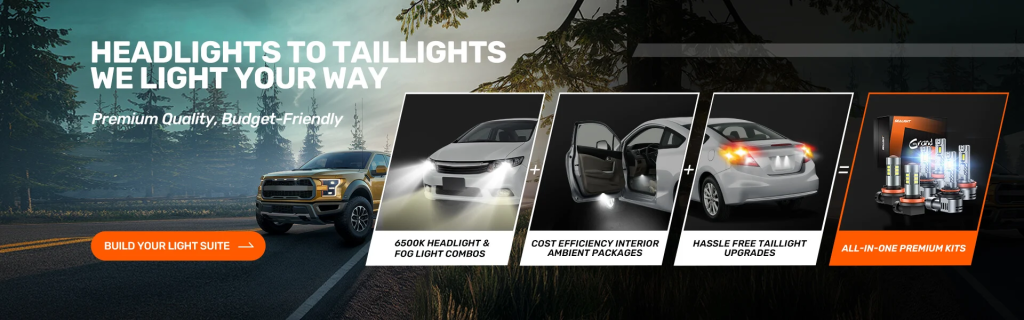
SEALIGHT has become a trusted choice among drivers seeking dependable LED lighting upgrades for headlights, fog lights, reverse lights, interior lights, and license plate lights. Their extensive vehicle compatibility, easy installation, and focus on bright, efficient illumination make them an excellent option for professionals who spend significant time driving after sunset.
Final Thoughts
Night commuting doesn’t have to be stressful. By maintaining your vehicle, staying alert, and investing in quality lighting, you can greatly reduce the risks associated with driving after dark.
Simple improvements—from keeping your windshield clean to choosing premium car light bulb upgrades and completing a timely license plate light replacement—can make every mile safer. With dependable lighting solutions from SEALIGHT, professionals can enjoy improved visibility, enhanced confidence, and a more comfortable nighttime driving experience.
