
A beautiful smile can improve confidence, create positive first impressions, and help people feel more comfortable in social and professional situations. In recent years, more people have started looking for cosmetic dental treatments that are affordable, quick, and minimally invasive. One of the most popular options available today is composite bonding Birmingham, a treatment that offers impressive results without the need for major dental work.
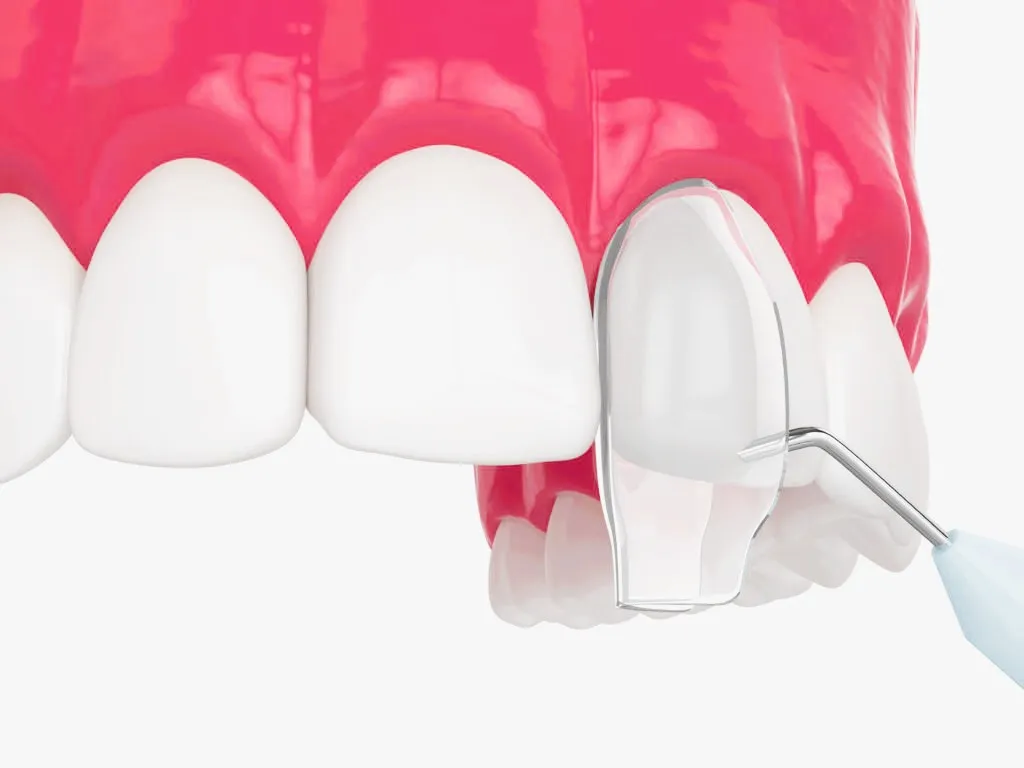
Composite bonding is a cosmetic dental procedure that uses a tooth-colored resin material to improve the appearance of teeth. The dentist carefully shapes and polishes the resin so it blends naturally with the surrounding teeth. This treatment can repair chipped teeth, close small gaps, improve uneven edges, cover stains, and reshape teeth that may look too short or irregular.
One of the biggest reasons people choose this procedure is that it usually requires very little preparation. Unlike veneers or crowns, composite bonding often preserves the natural tooth structure because little or no enamel needs to be removed. This makes it a more conservative cosmetic solution.
Patients also appreciate how quickly the procedure can be completed. In many cases, treatment is finished in a single appointment, allowing patients to leave the clinic with an improved smile on the same day. Since the resin material is sculpted directly onto the tooth, dentists have complete control over creating natural-looking results.
The growing popularity of cosmetic dentistry has encouraged many dental practices across Birmingham to invest in modern materials, advanced techniques, and digital smile design technology. As a result, patients have access to high-quality treatments that produce realistic, long-lasting improvements.
Choosing composite bonding is often the first step toward achieving a brighter and more balanced smile without undergoing complex procedures. It provides an excellent balance between affordability, appearance, and convenience, making it suitable for many different patients.
How Composite Bonding Works from Consultation to Final Smile
Understanding the treatment process helps patients feel more confident before visiting a cosmetic dentist. The journey usually begins with an initial consultation where the dentist examines the teeth, discusses cosmetic concerns, and determines whether bonding is the right solution.
During the consultation, photographs and digital scans may be taken to evaluate the smile from different angles. The dentist will explain what can realistically be achieved and may even show examples of previous smile transformations. Open communication during this stage is important because every patient’s goals are unique.
Before beginning treatment, the dentist selects a resin shade that closely matches the natural color of the surrounding teeth. Modern composite materials come in many different shades, allowing the restoration to blend seamlessly with the existing smile.
The tooth surface is gently prepared using a mild conditioning solution that helps the resin bond securely. Unlike more invasive treatments, drilling is often unnecessary unless there is existing damage or decay. The composite material is then applied in layers, with each layer hardened using a special curing light.
Once enough material has been added, the dentist carefully sculpts the tooth into its ideal shape. Every curve, edge, and contour is adjusted to match the neighboring teeth. This artistic process plays a significant role in achieving natural-looking results.
After shaping is complete, the bonded tooth is polished until it has a smooth surface and attractive shine. A well-polished restoration reflects light similarly to natural enamel, making it difficult to distinguish from the original tooth.
Patients who choose composite bonding Birmingham often appreciate how comfortable the treatment feels. Since the procedure is minimally invasive, anesthesia is rarely required unless additional dental work is being performed. Most people return to work, school, or daily activities immediately after leaving the clinic.
The final result is an improved smile that looks balanced, healthy, and natural. Small imperfections disappear, creating a noticeable enhancement without dramatically changing the person’s appearance.
Benefits of Choosing Composite Bonding for Smile Enhancement
Composite bonding has become one of the most recommended cosmetic treatments because it offers numerous advantages compared to traditional restorative procedures. Its flexibility allows dentists to address several cosmetic concerns during a single appointment while preserving healthy tooth structure.
One major advantage is affordability. Compared with porcelain veneers and crowns, composite bonding usually costs significantly less while still delivering attractive cosmetic improvements. This makes smile enhancement more accessible to patients with different budgets.
Another important benefit is speed. Since treatment can often be completed in one visit, patients avoid multiple appointments, temporary restorations, and lengthy waiting periods. Busy professionals and students especially appreciate this convenience.
Natural appearance is another reason why so many people select composite bonding. Modern dental composites closely imitate the translucency and texture of natural enamel. When applied by an experienced cosmetic dentist, bonded teeth blend almost perfectly with surrounding teeth.
The procedure is also reversible in many cases because very little natural tooth structure is removed. Preserving enamel is an important principle of modern dentistry, allowing patients to consider future treatment options if desired.
Composite bonding can successfully improve many cosmetic issues, including chipped teeth, worn edges, uneven tooth shapes, minor spacing problems, discoloration, and slightly rotated teeth. Although severe orthodontic problems may still require braces or clear aligners, bonding provides an excellent solution for smaller imperfections.
Maintenance is relatively simple. Patients should continue brushing twice daily, flossing regularly, attending routine dental checkups, and avoiding habits such as biting fingernails, chewing ice, or opening packages with their teeth. These healthy habits help protect both natural teeth and bonded restorations.
Another benefit is easy repair. If a bonded tooth becomes chipped or damaged over time, dentists can often repair the affected area without replacing the entire restoration. This makes long-term maintenance both practical and cost-effective.
Advancements in dental materials have significantly improved the durability of composite resin. While proper care remains essential, today’s bonding materials are stronger, more stain-resistant, and longer lasting than earlier generations.
Many patients discover that improving their smile also improves their confidence. Feeling comfortable while speaking, laughing, and smiling naturally can positively influence personal relationships, career opportunities, and overall self-esteem.
Who Is the Ideal Candidate for Composite Bonding?
Although composite bonding is suitable for many people, not every patient will benefit equally from the procedure. A thorough dental examination helps determine whether bonding is the best cosmetic solution based on individual oral health, lifestyle, and expectations.
Healthy teeth and gums provide the best foundation for cosmetic treatment. Any existing decay, gum disease, or infection should be treated before cosmetic procedures begin. A healthy mouth allows the bonding material to adhere properly and supports long-term success.
Patients with small cosmetic imperfections are often excellent candidates. Minor chips, tiny gaps, uneven edges, worn teeth, and mild discoloration can usually be corrected effectively using composite resin. Individuals looking for dramatic structural changes may require alternative treatments such as veneers, crowns, or orthodontic care.
Good oral hygiene also contributes to successful outcomes. Regular brushing, flossing, and professional cleanings help preserve both natural teeth and cosmetic restorations. Patients who maintain healthy dental habits generally enjoy longer-lasting results.
Lifestyle factors should also be considered. Heavy smokers and people who frequently consume staining beverages like coffee, tea, and red wine may notice discoloration over time. While composite resin can be polished, preventing stains through healthy habits remains the best approach.
People who grind or clench their teeth may place excessive pressure on bonded restorations. In these cases, dentists may recommend wearing a custom night guard while sleeping to reduce unnecessary stress on the teeth.
Realistic expectations are equally important. Composite bonding creates impressive cosmetic improvements, but it is not designed to solve every dental issue. An experienced cosmetic dentist explains both the benefits and limitations so patients understand exactly what results can be achieved.
Many individuals seeking composite bonding Birmingham are preparing for important life events such as weddings, graduations, job interviews, or professional photography sessions. Because treatment is completed quickly, it offers an excellent option for patients who want noticeable improvements within a short period.
Age is generally not a limiting factor as long as the patient’s oral health is suitable. Adults of various ages choose bonding to refresh their smiles and address cosmetic concerns that may have developed gradually over time.
Ultimately, the best candidates are individuals who want a conservative, affordable, and attractive cosmetic solution while preserving as much natural tooth structure as possible.
Caring for Your Composite Bonding and Maintaining Long-Term Results
The longevity of composite bonding depends on several factors, including oral hygiene, eating habits, lifestyle choices, and regular dental care. With proper maintenance, bonded teeth can continue looking attractive for many years.
Daily brushing with a soft-bristled toothbrush helps remove plaque while protecting both the natural enamel and composite material. Fluoride toothpaste remains an excellent choice for maintaining overall dental health. Flossing every day also prevents plaque buildup between teeth and supports healthy gums.
Routine dental checkups allow dentists to monitor bonded restorations and polish them when necessary. Professional cleanings remove surface stains and help maintain the smooth finish that gives composite bonding its natural appearance.
Patients should avoid using their teeth as tools. Opening bottles, tearing packages, or biting hard objects places unnecessary stress on bonded teeth and increases the risk of chips or fractures. Ice chewing and biting pens should also be avoided whenever possible.
Although composite materials are durable, they are not completely stain-proof. Drinking coffee, tea, red wine, and dark-colored soft drinks in moderation can help preserve the original shade. Rinsing the mouth with water after consuming staining foods and beverages further reduces discoloration.
Smoking can also affect the appearance of composite resin over time. Tobacco products contribute to staining while increasing the risk of gum disease and other oral health problems. Reducing or eliminating smoking benefits both cosmetic dentistry and overall health.
If patients participate in contact sports, wearing a custom-made mouthguard provides additional protection against accidental injury. Similarly, individuals who grind their teeth during sleep should consider using a professionally fitted night guard to minimize wear.
Small repairs are usually straightforward if accidental damage occurs. Unlike porcelain restorations, composite bonding can often be repaired by adding fresh resin directly to the affected area, preserving much of the original restoration.
Many people wonder how long bonding lasts. While individual experiences vary, properly maintained composite bonding often lasts several years before requiring touch-ups or replacement. Good oral hygiene and regular professional care significantly influence its lifespan.
The relationship between the patient and cosmetic dentist continues even after treatment is complete. Follow-up appointments ensure the smile remains healthy, functional, and attractive while allowing minor adjustments whenever necessary.
Conclusion
Choosing composite bonding Birmingham offers an excellent opportunity to enhance your smile with a treatment that is affordable, minimally invasive, and highly effective. Whether you want to repair chipped teeth, close small gaps, reshape uneven edges, or improve the overall appearance of your smile, composite bonding provides natural-looking results while preserving healthy tooth structure.
Success depends not only on the quality of the procedure but also on selecting an experienced cosmetic dentist and maintaining excellent oral hygiene afterward. With proper care, bonded teeth can remain beautiful for years, giving you greater confidence every time you smile. If you are looking for a practical cosmetic dental solution that combines convenience, aesthetics, and long-term value, composite bonding may be the ideal choice for creating the healthy, confident smile you have always wanted.
